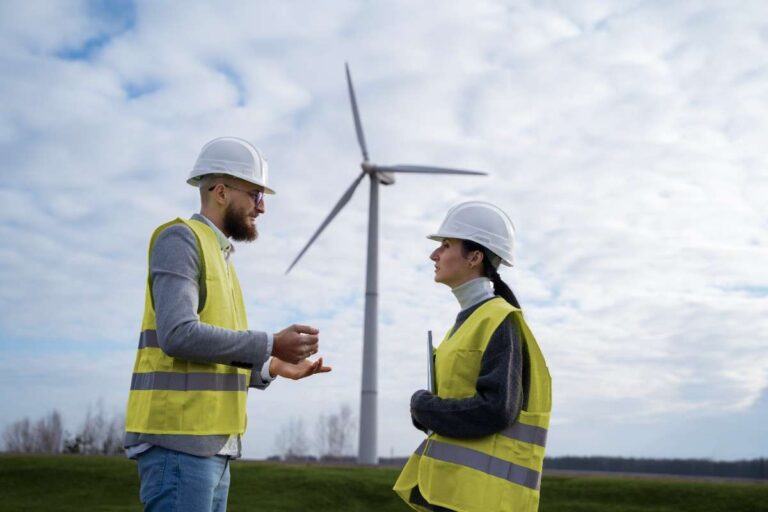
The global energy industry is moving through one of its most significant transitions in decades. Renewable energy expansion, grid modernisation, electrification and digital infrastructure are rapidly reshaping how power systems are built, monitored and managed.
Yet the workforce needed to power this transformation is not evolving at the same pace.
The digital skills gap in the energy sector is becoming increasingly visible as companies adopt advanced technologies across generation, transmission and energy management.
Organisations are investing in automation, AI-driven analytics, smart grid platforms and cybersecurity for critical infrastructure. However, hiring professionals who combine engineering expertise with digital capabilities remains a growing challenge.
According to the International Energy Agency, global energy employment surpassed 67 million jobs worldwide, reflecting the rapid expansion of renewable energy and energy infrastructure.
Despite this growth, many companies across power, utilities and industrial energy systems report difficulty sourcing specialised talent for digital and advanced engineering roles.
Insights from India Decoding Jobs Report 2026 by Taggd further highlight this trend in India, where demand for digital, data and automation capabilities is accelerating across core sectors such as energy, manufacturing and infrastructure. The report notes that organisations are increasingly seeking professionals with hybrid skill sets that combine domain expertise with digital capabilities.
For CHROs and talent leaders, this widening talent gap presents a strategic workforce challenge. Organisations must compete for scarce expertise across disciplines such as automation engineering, data analytics, artificial intelligence and cybersecurity while continuing to strengthen traditional engineering capabilities that remain essential for energy infrastructure.
As the energy transition accelerates, the workforce requirements of the industry are shifting just as rapidly. Energy companies are no longer hiring only for traditional engineering and operational roles. The sector increasingly requires professionals who can manage digital infrastructure, analyse complex energy data and optimise systems through advanced technologies.
This shift is widening the digital skills gap and intensifying energy sector talent and hiring challenges across core and renewable energy segments. For organisations operating across power generation, utilities, oil and gas and emerging renewable infrastructure, building these capabilities has become central to energy workforce transformation.
Growing Demand for Digital Skills in Energy
Energy systems are becoming increasingly software-driven. As energy infrastructure becomes more interconnected and data-intensive, companies are integrating digital technologies to improve efficiency, reliability and sustainability.
Technologies such as smart grids, industrial IoT networks, predictive maintenance systems and AI-powered energy optimisation are transforming how power plants, transmission networks and renewable assets are managed.
This transformation is creating a new category of workforce demand across the core and energy sectors, where digital capability is now as critical as traditional engineering expertise. As organisations expand renewable energy capacity and modernise energy infrastructure, energy talent shortages are becoming more visible across both technical and digital roles.
According to the India Decoding Jobs Report 2026 highlight how organisations across India’s core industries are increasingly prioritising hiring for roles combining engineering expertise with digital capabilities such as automation, data analytics and AI-driven systems.
Digital technologies reshaping the energy industry
Several technologies are driving the sector’s digital evolution and influencing industrial hiring trends.
- Smart grid infrastructure that enables real-time energy distribution and demand management
- Industrial IoT platforms that monitor equipment performance across power plants, transmission networks and renewable energy assets
- AI-driven predictive maintenance systems that reduce downtime and improve asset reliability
- Energy analytics platforms used to forecast demand, optimise grid performance and manage renewable variability
- Cybersecurity frameworks designed to protect critical energy infrastructure from digital threats
These technologies are fundamentally changing the capabilities required within energy organisations and are increasing demand for specialised digital expertise.
New roles emerging in energy companies
As digital adoption expands, companies are creating new workforce roles to support these capabilities.
- Energy data scientists who analyse operational data from grid systems and renewable infrastructure
- Digital grid engineers responsible for managing smart energy networks
- Automation specialists supporting industrial control systems and digital plant operations
- AI engineers developing optimisation models for energy efficiency and load forecasting
- Cybersecurity professionals protecting digital energy infrastructure and critical operational technology environments
The rapid expansion of these roles is reshaping energy sector hiring strategies. Companies must now recruit professionals with hybrid expertise across engineering, data and digital technologies.
For many organisations, this shift is exposing limitations in traditional talent pipelines. Conventional recruitment models designed for legacy engineering roles often struggle to access the specialised talent required for modern energy systems.
As a result, companies across power, utilities and oil and gas hiring in India are increasingly exploring strategic hiring approaches such as core and energy sector RPO and specialised AI recruitment models to access emerging skill pools and accelerate workforce transformation.
For organisations scaling renewable infrastructure or modernising energy operations, outsourcing energy sector hiring in India through strategic recruitment partners is becoming an important lever to address the growing energy talent shortage and support long-term workforce transformation.
The Digital Skills Gap in the Energy Sector Is Widening
As energy companies accelerate digital adoption, the gap between required capabilities and available talent is becoming increasingly visible. The rapid integration of smart infrastructure, automation systems and advanced data platforms has expanded the demand for specialised skills faster than workforce pipelines can supply.
Across the core and energy sectors, organisations are facing mounting challenges in sourcing professionals who can operate at the intersection of engineering, digital systems and data-driven decision making. The India Decoding Jobs Report 2026 also highlights the growing demand for hybrid technical roles across India’s industrial ecosystem, reinforcing the widening gap between emerging skill requirements and available talent supply. This widening digital skills gap is now emerging as one of the most significant barriers to energy workforce transformation.
Workforce research from the International Energy Agency indicates that nearly 60 percent of energy employers report shortages of specialised technical talent, particularly in roles linked to digital operations, advanced engineering and infrastructure modernisation.
For many companies, these shortages are most visible in areas where energy systems are becoming increasingly technology-driven.
Areas where the skills gap is most visible
Renewable energy project engineering: Rapid expansion of solar, wind and hybrid energy infrastructure is increasing demand for engineers capable of managing complex renewable integration and grid connectivity.
Grid digitalisation: Smart grid technologies require professionals who understand both power systems and digital network management.
Energy analytics and modelling: Energy companies are investing in data platforms to optimise energy generation, demand forecasting and asset performance.
Industrial automation systems: Automation engineers are increasingly required to manage digitally controlled energy plants and infrastructure.
Cybersecurity for energy infrastructure: As power systems become more connected, protecting critical infrastructure from cyber threats has become a major priority.
The result is a growing energy talent shortage across both traditional engineering and emerging digital roles. For many organisations, these workforce gaps are beginning to affect the pace of digital transformation initiatives, renewable energy expansion and infrastructure modernisation.
As the energy transition accelerates, addressing this talent challenge is becoming central to energy sector hiring strategies, particularly for companies exploring energy sector RPO, core sector RPO, and specialised models to outsource energy sector hiring in India for niche technical and digital roles.
Competition for Digital Talent Is Intensifying Across Industries
As the digital skills gap widens across the energy sector, companies are increasingly competing for talent beyond their traditional industry boundaries. The skills required to modernise energy infrastructure such as artificial intelligence, data analytics, automation and cybersecurity are also in high demand across technology, financial services and digital product companies.
This shift has expanded the competitive landscape for energy sector hiring. Professionals with advanced digital capabilities are now actively recruited by technology firms, global capability centres, fintech companies and high-growth startups that often offer faster career progression, higher compensation packages and strong innovation ecosystems.
Global workforce research indicates that more than 70 percent of employers report difficulty hiring skilled talent, with digital and technology capabilities among the most difficult roles to fill. As a result, the competition for AI engineers, data scientists, automation specialists and cybersecurity professionals has intensified across industries.
For organisations operating across power generation, utilities, renewables and oil and gas hiring in India, attracting this talent is becoming increasingly challenging. Companies must not only compete with traditional industry peers but also with digitally mature organisations that already have strong visibility among technology professionals.
Why energy companies struggle to attract digital talent
Several structural factors make it difficult for energy companies to compete effectively for digital professionals.
Perception of slower innovation: Technology companies are often viewed as more innovative and digitally advanced environments compared to traditional industrial sectors.
Longer hiring cycles: Hiring processes in large industrial organisations can be slower than those in digital-first companies, causing employers to lose candidates in competitive talent markets.
Limited visibility among digital professionals: Many energy companies have limited brand presence in digital talent ecosystems, making it harder to attract data scientists, AI engineers and automation specialists.
Traditional employer branding strategies: Employer value propositions in the energy sector often focus on operational expertise rather than digital innovation, which may not resonate with emerging technology talent.
As a result, energy companies frequently find themselves competing in talent markets where technology firms dominate. For organisations undergoing energy workforce transformation, this makes it increasingly important to rethink hiring strategies, expand sourcing networks and adopt specialised approaches such as AI recruitment, RPO hiring and energy sector RPO models that provide access to niche digital talent pools.
For companies exploring renewable energy talent acquisition or looking to outsource energy sector hiring in India, strategic recruitment partnerships are becoming a key lever to navigate the growing energy talent shortage and support long-term workforce transformation.
Digital Talent Gaps Across Energy Sub-Sectors
While the digital skills gap is often discussed at an industry level, the energy ecosystem itself is highly diverse. Workforce challenges vary significantly across sub-sectors depending on infrastructure complexity, technology adoption and project lifecycles.
Power generation companies face different talent constraints compared to renewable developers, EPC contractors or emerging hydrogen projects. As energy systems become increasingly digital and interconnected, the nature of hiring challenges is also evolving across each segment of the industry.
Insights from the India Decoding Jobs Report 2026 highlight that organisations across India’s core industries are experiencing highly specialised talent shortages linked to sector-specific digital transformation priorities. This trend is particularly visible across the energy ecosystem, where different sub-industries require distinct combinations of engineering and digital capabilities.
The table below highlights how hiring challenges vary across major energy sub-sectors.
| Energy Sub-Sector | Key Hiring Challenges |
| Power Generation | • Shortage of engineers with experience in digital plant operations and automation systems • Difficulty hiring specialists for predictive maintenance and energy analytics platforms • Aging workforce in thermal and conventional power infrastructure |
| Renewable Energy | • Limited availability of engineers skilled in renewable integration and grid connectivity • High demand for data specialists analysing renewable generation variability • Rapid project expansion creating short-term hiring spikes |
| Oil & Gas | • Need for engineers combining process expertise with industrial digital technologies • Increasing demand for automation and AI-driven asset optimisation specialists • Competition with global energy firms for experienced digital talent |
| Transmission & Utilities | • Shortage of professionals managing smart grid and digital network infrastructure • Increasing demand for cybersecurity experts protecting grid systems • Limited availability of engineers skilled in digital grid analytics |
| EPC & Infrastructure | • Difficulty hiring digital project management specialists for large energy infrastructure projects • Growing demand for BIM, automation and digital construction capabilities • Project-based hiring cycles creating workforce volatility |
| LNG & Gas Infrastructure | • Limited availability of specialists in digitally monitored gas infrastructure systems • Need for automation engineers managing pipeline and processing operations • Strong global competition for experienced LNG project professionals |
| Battery & Energy Storage | • Shortage of engineers with expertise in battery technology and digital energy storage systems • Rapid innovation cycles increasing demand for R&D specialists • Competition with electric mobility and technology companies for talent |
| Hydrogen & New Energy | • Emerging talent pools with limited experienced professionals • Demand for engineers skilled in electrolysis systems and digital plant optimisation • High uncertainty around future skill requirements and workforce planning |
Across these sub-sectors, a common pattern is becoming increasingly visible. Energy organisations are no longer competing only for traditional engineering talent. They are competing for professionals capable of operating at the intersection of engineering, data and digital infrastructure.
For CHROs, this shift means energy sector hiring strategies must evolve beyond conventional recruitment pipelines. Sector-specific talent intelligence, specialised sourcing strategies and scalable hiring models are becoming essential to navigate the growing complexity of energy workforce transformation.
Workforce Demographics and Hybrid Skill Demand Are Increasing Hiring Complexity
Beyond the growing digital skills gap, workforce demographics are adding another layer of complexity to energy sector hiring. A large portion of experienced engineers, plant specialists and technical professionals across the energy and core sectors are approaching retirement age. These professionals hold decades of operational knowledge in power generation, transmission systems, oil and gas infrastructure and industrial energy operations.
As this experienced workforce gradually exits the industry, organisations face a dual challenge. They must replace retiring specialists while simultaneously building new digital capabilities required for modern energy systems.
At the same time, the nature of roles within the energy sector is evolving rapidly. Companies are no longer hiring solely for traditional engineering expertise. Instead, they increasingly require professionals who can combine domain knowledge with digital and analytical capabilities. This shift is accelerating energy workforce transformation, particularly across renewable infrastructure, grid modernisation and digitally enabled energy operations.
Insights from the India Decoding Jobs Report 2026 by Taggd highlight a similar trend in India’s core sectors. The report notes that organisations across industries such as energy, infrastructure and manufacturing are increasingly seeking professionals with hybrid skill sets that combine engineering expertise with digital capabilities such as automation, data analytics and AI-driven systems.
Some of the hybrid roles in modern energy companies
Several emerging roles illustrate the hybrid skill sets required in today’s energy organisations.
Power systems engineers with data analytics expertise who can analyse grid performance and optimise energy distribution using advanced data platforms.
Mechanical engineers specialising in automation technologies responsible for integrating industrial automation systems into energy plants and infrastructure.
Energy analysts using AI-driven forecasting models to predict demand patterns, renewable generation variability and energy pricing trends.
Engineers managing digital energy infrastructure such as smart grids, digital control systems and connected energy assets.
These hybrid capabilities are essential for modern energy operations, yet professionals who combine engineering knowledge with advanced digital expertise remain relatively scarce. As a result, organisations often struggle to identify and hire candidates with the right blend of domain and digital capabilities.
Why Traditional Hiring Models Are Struggling to Close the Skills Gap?
While workforce demands in the energy industry have evolved rapidly, hiring approaches in many organisations have not changed at the same pace. As energy systems become more digital, interconnected and data-driven, the complexity of energy sector hiring has increased significantly.
Historically, hiring in the energy sector relied on predictable talent pipelines from engineering institutions, specialised technical colleges and regional hiring markets. These pipelines provided a steady supply of mechanical, electrical and civil engineers required to operate traditional energy infrastructure.
However, the current talent landscape is far more complex. Companies must now recruit professionals across a wider set of capabilities that combine engineering expertise with digital and analytical skills. According to insights from the India Decoding Jobs Report 2026, organisations across India’s core industries are increasingly adopting more structured talent strategies to address emerging skill gaps and evolving workforce requirements.
Industry data highlights the scale of this challenge. According to the International Energy Agency, nearly 60 percent of energy employers report shortages of skilled technical workers, particularly in roles related to digital systems, advanced engineering and infrastructure modernisation.
At the same time, research from the International Renewable Energy Agency indicates that global renewable energy employment has expanded to over 13 million jobs, increasing demand for specialised engineers and technical professionals across the energy transition workforce.
Energy organisations now need to recruit across several increasingly complex talent markets.
Multiple geographies: Talent availability varies significantly across regions, requiring companies to expand hiring beyond traditional locations.
Specialised digital skill markets: Capabilities in AI, data analytics, cybersecurity and automation are often concentrated in specific technology hubs, making them harder to access through conventional hiring channels.
Hybrid technical disciplines: Modern energy operations require professionals who combine engineering expertise with digital capabilities such as data analytics, automation systems and predictive modelling.
Project-based workforce requirements: Renewable energy expansion, grid infrastructure upgrades and large-scale industrial energy projects are creating short-term spikes in hiring demand.
Research from McKinsey & Company suggests that demand for advanced digital skills across industrial sectors has increased by more than 30 percent over the past decade, further intensifying competition for specialised talent.
Traditional recruitment approaches often struggle to operate effectively in this environment. Many hiring teams lack access to the talent intelligence, specialised sourcing capabilities and scalable hiring infrastructure required to manage these complex workforce needs.
As the energy transition workforce continues to evolve, organisations are increasingly exploring more strategic hiring models such as energy sector RPO, AI recruitment and specialised industrial hiring solutions to navigate the growing energy talent shortage and support long-term workforce transformation.
How CHROs Can Address the Energy Talent Gap?

As the digital skills gap widens across the energy ecosystem, workforce strategy is becoming as critical as technology investment. Renewable expansion, grid modernisation and digital infrastructure all depend on organisations’ ability to access specialised engineering and digital capabilities.
For CHROs, closing this gap requires moving beyond conventional recruitment pipelines and building long-term workforce strategies that combine capability development, expanded talent access and more strategic hiring models.
Several approaches are emerging as priorities for energy companies navigating this transformation.
1. Build Hybrid Engineering Talent Pipelines
Energy companies increasingly require professionals who combine domain expertise with digital capabilities. Traditional engineering pipelines alone are no longer sufficient.
Many organisations are strengthening partnerships with universities and technical institutions to build early-stage talent pipelines in emerging areas such as:
• energy analytics
• smart grid engineering
• renewable energy systems
These collaborations help organisations develop talent with hybrid engineering and digital skills aligned to the evolving requirements of modern energy infrastructure.
2. Invest in Workforce Reskilling
As energy systems become more technology-driven, reskilling existing engineering talent is becoming a critical workforce strategy.
Organisations are increasingly investing in programmes that equip engineers and technical specialists with capabilities in areas such as:
• data analytics for energy operations
• AI-driven predictive maintenance systems
• industrial automation and digital control platforms
Reskilling initiatives allow companies to strengthen digital capabilities while preserving valuable operational expertise within the workforce.
3. Expand Talent Geographies
Digital engineering capabilities are often concentrated in specific technology ecosystems. To address talent shortages, energy companies are expanding their hiring footprint beyond traditional industrial locations.
Many organisations are accessing specialised talent from:
• Global Capability Center (GCC) ecosystems
• technology innovation hubs
• emerging industrial clusters
Expanding talent geographies helps organisations access deeper digital skill pools and strengthen hiring resilience across competitive labour markets.
4. Adopt Strategic Talent Acquisition Models
As hiring complexity increases, many energy companies are rethinking how they structure their talent acquisition capabilities.
Traditional recruitment models often struggle to access specialised digital and hybrid engineering talent at the scale required for large infrastructure and energy transition projects.
This is where strategic hiring approaches such as Recruitment Process Outsourcing (RPO) are becoming increasingly relevant. By combining specialised sourcing expertise, talent intelligence and scalable hiring infrastructure, RPO models help organisations navigate complex talent markets and build stronger pipelines for emerging energy roles.
This shift toward more strategic talent acquisition models is shaping how energy companies approach workforce transformation. In the next section, we explore how AI-powered RPO hiring is helping organisations build future-ready energy workforces.
AI-Powered RPO Hiring Is Helping Energy Companies Build Future-Ready Workforces
As hiring complexity increases across the core and energy sectors, many organisations are rethinking how they build and scale their talent acquisition capabilities.
Traditional recruitment teams often struggle to manage the volume, speed and specialisation required for modern energy hiring. This is where AI-powered Recruitment Process Outsourcing (RPO) is becoming an increasingly strategic solution.
RPO models have evolved significantly over the past decade. Today’s RPO solutions combine advanced technology, talent intelligence and specialised sourcing networks to help organisations navigate complex hiring environments.
For companies managing renewable energy talent acquisition, oil and gas hiring in India or large-scale infrastructure projects, RPO provides the scale and expertise required to address growing workforce demands.
Industry research shows that many enterprises are shifting toward outsourcing talent acquisition functions to improve hiring efficiency and access specialised skill pools. For energy companies undergoing energy workforce transformation, this approach enables hiring teams to move beyond reactive recruitment and adopt more strategic, data-driven talent strategies.
Key advantages of AI-powered RPO hiring
Better visibility into global talent markets
AI-driven talent intelligence tools allow organisations to understand where specialised energy and digital talent is located, enabling more effective sourcing strategies.
Faster hiring cycles for specialised roles
Dedicated recruitment teams and advanced sourcing technologies help reduce time-to-hire for critical engineering and digital roles.
Access to passive and niche talent pools
RPO partners often maintain extensive talent networks that allow companies to reach candidates who are not actively seeking new roles but possess highly specialised expertise.
Scalable recruitment models for infrastructure expansion
Large energy and infrastructure projects frequently require rapid workforce expansion. RPO enables organisations to scale hiring operations quickly without overburdening internal teams.
Data-driven workforce planning
Advanced analytics provide insights into hiring trends, talent availability and compensation benchmarks, helping organisations make informed workforce decisions.
For companies navigating the digital skills gap and energy talent shortage, these capabilities play a critical role in strengthening energy sector hiring strategies. By combining technology, specialised expertise and scalable recruitment infrastructure, AI recruitment and RPO hiring models enable energy organisations to build stronger talent pipelines while supporting long-term energy transition workforce needs.
Building Future-Ready Energy Workforces Through Strategic Talent Partnerships
As energy systems become more digital, interconnected and technology-driven, workforce capability is emerging as a critical driver of organisational competitiveness. Companies that can access the right talent at the right time will be better positioned to scale renewable infrastructure, modernise grid systems and accelerate digital transformation initiatives.
For CHROs and talent leaders, addressing the digital skills gap, managing evolving industrial hiring trends and building a resilient energy transition workforce requires a more structured approach to talent strategy. Organisations that combine workforce development, expanded talent access and more strategic hiring models are better equipped to strengthen long-term workforce capability across the energy ecosystem.
Strategic talent partnerships are increasingly becoming an important part of this approach. Partners with deep sector expertise and advanced hiring capabilities help enterprises navigate the growing energy talent shortage, access specialised skill pools and build sustainable talent pipelines across both core and renewable energy operations.
Key Takeaways for CHROs
The digital transformation of the energy sector is reshaping workforce requirements across every segment of the industry. As organisations modernise infrastructure and scale renewable capacity, talent strategy will play a decisive role in enabling long-term competitiveness.
Key priorities emerging for CHROs include:
• The digital skills gap is widening across the energy ecosystem. Technologies such as smart grids, AI-driven analytics and automation are increasing demand for specialised engineering and digital expertise.
• Talent shortages vary across energy sub-sectors. Power generation, renewables, utilities, oil and gas, and emerging energy segments all face distinct hiring challenges.
• Hybrid engineering capabilities are becoming critical. Modern energy systems require professionals who combine engineering knowledge with data, automation and digital infrastructure expertise.
• Competition for digital talent now extends beyond the energy sector. Technology firms, GCCs and high-growth digital organisations are competing for the same specialised skill pools.
• Strategic talent acquisition models are becoming essential. Organisations that combine workforce reskilling, expanded talent geographies and scalable hiring models are better positioned to build future-ready energy workforces.
For CHROs navigating energy workforce transformation, strengthening hiring strategy is no longer only about filling roles. It is about building long-term capability that enables organisations to sustain growth, modernise infrastructure and lead the energy transition.
FAQs
What is the digital skills gap in the energy sector?
The digital skills gap in the energy sector refers to the shortage of professionals with expertise in technologies such as AI, automation, data analytics and cybersecurity required to operate modern energy infrastructure.
Why are energy companies struggling to hire digital talent?
Energy companies face strong competition from technology firms for digital professionals and often rely on traditional hiring models that struggle to access emerging talent pools.
Which roles are most affected by the digital skills gap?
Roles such as digital grid engineers, automation specialists, energy data analysts and cybersecurity experts are among the most difficult positions to fill.
How does the digital skills gap affect the energy transition?
Talent shortages can slow renewable energy deployment, grid modernisation and the adoption of digital technologies required for efficient energy systems.
How can energy companies address the digital skills gap?
Organisations can address the skills gap through strategic workforce planning, reskilling initiatives and specialised hiring models such as AI powered recruitment process outsourcing.
Addressing the digital skills gap in the energy sector requires a more strategic approach to hiring. Organisations that combine talent intelligence, scalable recruitment models and specialised sourcing capabilities are better positioned to build future-ready workforces.
As a strategic talent partner, Taggd supports organisations in addressing complex energy sector hiring challenges through AI-powered recruitment, talent intelligence and scalable RPO delivery models.
With expertise across core industries, infrastructure and energy ecosystems, Taggd enables companies to strengthen hiring outcomes while supporting long-term workforce transformation.
Explore how Taggd helps organisations build high-performance workforces across energy and industrial sectors. Connect with us to learn how Taggd’s AI-powered RPO hiring solutions help organisations strengthen energy sector hiring and build high-performance teams for the energy transition.