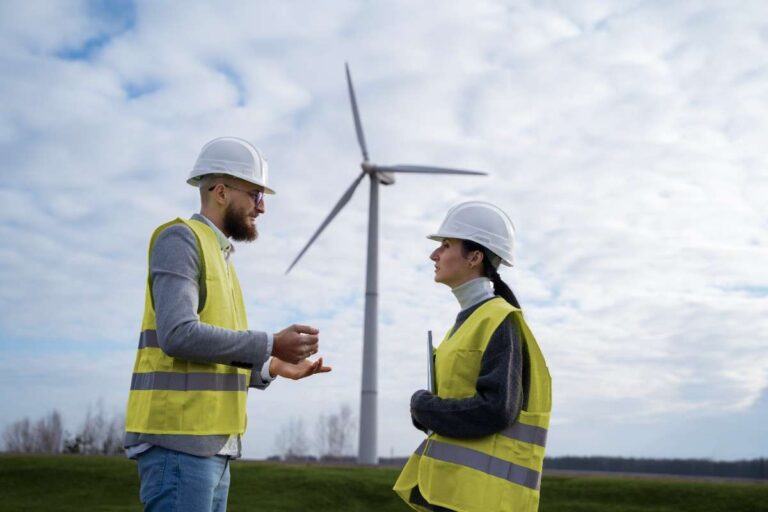
Across the global energy sector, the pace of transition has moved from gradual shift to rapid transformation. Governments, utilities, and energy companies are investing heavily to scale renewable energy, modernize power infrastructure, and build low-carbon energy systems. At the same time, the energy transition talent challenge is becoming increasingly visible as organizations struggle to secure the specialized skills needed to execute these ambitious plans.
India is at the center of this shift. Large renewable capacity targets, growing investment in green hydrogen, expansion of battery storage, and increasing digitalization of power grids are reshaping how energy systems are built and operated. For energy enterprises, the transition is no longer a future ambition. It is an active, capital-intensive transformation already underway.
Yet while infrastructure investment is accelerating, the availability of specialized talent is not expanding at the same speed.
New energy systems require a different mix of capabilities. Renewable project development, grid integration engineering, energy storage technologies, hydrogen infrastructure, and digitally enabled energy management platforms all demand highly specialized expertise. As these technologies scale, the demand for power systems engineers, renewable project leaders, digital energy specialists, and sustainability experts is rising sharply.
This is where the real constraint is beginning to appear.
Many energy companies are discovering that the challenge is not simply building renewable capacity or deploying new technologies. The greater difficulty lies in securing the talent capable of designing, developing, and operating these complex energy systems.
What this reveals is a deeper structural shift.
The energy transition is often framed as a technology transformation. In reality, it is equally a workforce transformation challenge.
Energy organizations across the world are committing billions of dollars to renewable infrastructure, grid modernization, hydrogen development, and digital energy ecosystems. Yet many of these initiatives depend on skills that remain in short supply across the industry.
This growing gap between investment ambition and talent availability is becoming one of the defining risks of the energy transition.
For CHROs and talent leaders in the energy sector, the implications are significant. Hiring strategies built for traditional power generation models may no longer be sufficient for a rapidly evolving energy ecosystem.
The question therefore becomes unavoidable:
What must CHROs rethink in their hiring strategy to ensure their organizations have the talent required to deliver the energy transition? So, before this, lets understand –
Why Is the Energy Transition Creating a Talent Shock?
Understanding the energy transition talent challenge requires looking beyond hiring numbers. The real shift lies in how the energy sector itself is evolving. As energy systems transform, the skills required to build and operate them are also changing rapidly, creating a sudden and significant demand for new capabilities across the industry.
One of the primary drivers of this talent shock is the rapid expansion of renewable energy infrastructure. Solar and wind capacity additions are accelerating, while investment in battery storage, green hydrogen, and grid modernization continues to grow. Energy companies are simultaneously developing multiple new energy platforms, each requiring specialized technical expertise.
Alongside this infrastructure expansion, the nature of energy roles is also changing.
Traditional energy systems relied heavily on mechanical and electrical engineering expertise tied to conventional power generation. Today’s energy ecosystem requires new combinations of technical capabilities that blend engineering with digital and data-driven systems.
Emerging skill combinations now include:
- Electrical engineering combined with digital energy systems
- Energy systems expertise integrated with data analytics
- Grid engineering supported by software platforms and smart grid technologies
These hybrid capabilities are becoming essential as power infrastructure becomes increasingly digital, interconnected, and data-driven.
At the same time, the scale of infrastructure development is expanding the overall demand for energy professionals. Large renewable portfolios, new transmission networks, and complex grid integration projects require significant workforce capacity.
Across the energy transition ecosystem, organizations are seeking talent such as:
- Renewable energy project developers
- Grid and power systems engineers
- Sustainability and ESG specialists
- Digital energy engineers and smart grid experts
Each of these roles plays a critical part in building the next generation of energy systems.
However, the existing talent pipelines across the energy sector were largely built for a different industry structure. For decades, workforce planning in power and utilities focused on stable, long-cycle generation models where capacity expansion occurred gradually.
The current shift toward clean energy is fundamentally different. It requires rapid infrastructure scaling, new technologies, and hybrid skill sets that traditional energy talent pipelines were never designed to produce at scale.
As organizations begin to experience these structural shifts in capability requirements, another challenge becomes increasingly visible. The demand for specialized clean energy expertise is rising much faster than the industry’s ability to produce it.
The Renewable Energy Skills Gap Is Widening
The energy transition talent challenge becomes even clearer when examining the specific roles required to build and operate modern energy systems. Many of these capabilities are highly specialized and remain in short supply across the global energy workforce.
Several critical talent areas are already experiencing significant shortages, including:
- Power systems engineers
- Renewable energy project managers
- Grid integration specialists
- Energy storage engineers
- Hydrogen technology experts
- ESG and sustainability specialists
- Digital energy platform developers
- Energy data analysts
Each of these roles supports a different part of the energy transition ecosystem. From designing renewable infrastructure and integrating new power sources into existing grids to managing sustainability reporting and building digital energy platforms, these capabilities are becoming central to energy sector operations.
In India, the pressure on these talent pools is particularly intense. The country’s ambitious renewable capacity expansion targets, combined with aggressive infrastructure rollout timelines, are significantly increasing the demand for experienced energy professionals.
At the same time, multiple sectors are hiring from the same limited talent pool. Renewable developers, power utilities, infrastructure firms, and new energy ventures are all competing to secure experienced specialists who understand modern energy systems.
The result is a widening gap between the scale of energy transition projects being planned and the availability of professionals capable of delivering them.
Energy companies are no longer simply hiring for growth. They are increasingly competing for the same limited pool of specialist energy talent, making workforce strategy a critical factor in the success of large-scale clean energy programs.
As the renewable energy skills gap widens, another shift is quietly intensifying the pressure on talent supply. The demand for energy expertise is no longer confined to traditional power utilities. A much broader set of industries is now competing for the same capabilities.
The Competition for Energy Talent Is Expanding Beyond Utilities

The energy transition talent challenge is not only about shortages within the energy sector. It is also about the rapid expansion of demand across industries that are now participating in the clean energy ecosystem.
Historically, most energy talent circulated within a relatively contained industry structure. Utilities, power producers, and a small group of infrastructure companies formed the core employment market for engineers, project managers, and grid specialists.
That structure is changing quickly.
The energy transition has created a much larger ecosystem where multiple industries require similar technical capabilities. As a result, organizations across different sectors are now recruiting from the same specialized talent pools.
New competitors for energy talent include:
- Renewable energy developers building large solar and wind portfolios
- EPC infrastructure companies executing large-scale energy projects
- Oil and gas firms transitioning toward clean energy investments
- Global energy majors expanding their renewable operations in India
- Technology companies developing smart grid and digital energy platforms
- Battery manufacturers and EV ecosystem firms building energy storage and charging infrastructure
Each of these sectors requires professionals who understand power systems, energy infrastructure, grid integration, and emerging technologies such as storage and hydrogen.
This expanding demand has significantly intensified the competition for experienced talent.
Energy companies are therefore no longer competing only within the traditional utility or power generation landscape. They are increasingly competing across an interconnected energy transition ecosystem that spans infrastructure, mobility, technology, and advanced manufacturing.
For many organizations, this broader competition is reshaping hiring dynamics, compensation benchmarks, and leadership mobility across the energy sector.
As competition for specialized energy talent intensifies across industries, another challenge begins to surface at the top of the organizational structure. Beyond technical roles, many energy companies are discovering that the transition to clean energy also requires a new generation of leadership capabilities.
The Leadership Capability Gap in the Energy Transition
The energy transition talent challenge is not limited to engineers and technical specialists. Leadership capability is emerging as an equally critical constraint as energy companies scale renewable portfolios and launch new energy businesses.
Energy transition programs involve a level of complexity that differs significantly from traditional power generation projects. Leaders responsible for these initiatives must navigate multiple dimensions simultaneously.
This includes managing:
- Regulatory complexity across evolving energy policies
- Large-scale infrastructure development programs
- Integration of digital platforms with physical energy systems
- Sustainability commitments and environmental outcomes
- Significant capital investments tied to long-term energy assets
These demands require leaders who can operate across engineering, policy, technology, and sustainability domains while delivering large infrastructure outcomes.
As the energy ecosystem evolves, several leadership roles are becoming central to organizational strategy, including:
- Renewable portfolio leaders responsible for scaling solar and wind assets
- Hydrogen business leaders building emerging clean fuel markets
- Energy transition strategy heads shaping long-term transformation roadmaps
- Digital grid transformation leaders integrating smart energy systems
- Sustainability and ESG leaders aligning energy operations with climate commitments
Many organizations are discovering that traditional leadership pipelines within the power sector may not fully prepare executives for these multidimensional challenges.
Experience in conventional generation models alone is often insufficient when the mandate now involves building renewable portfolios, integrating digital systems, and managing complex transition strategies simultaneously.
As leadership capability requirements evolve, another structural issue becomes increasingly clear. Many of the hiring models historically used within the energy sector were designed for a slower, more predictable industry environment.
Why Traditional Energy Hiring Models Are Struggling
The pace of the energy transition is exposing limitations in traditional recruitment approaches across the sector. Hiring frameworks that once supported stable power generation operations are now struggling to support rapid clean energy expansion.
One major challenge lies in long project hiring cycles.
Large energy projects often follow multi-year development timelines, and talent requirements begin early in the project lifecycle. However, many organizations initiate hiring only after project approvals or infrastructure planning stages are complete. By this point, the competition for experienced professionals is already intense.
Another constraint is limited access to talent intelligence.
Many energy companies lack clear visibility into critical workforce insights such as:
- The geographic availability of specialized energy talent
- Hiring activity across competing energy and infrastructure firms
- Compensation benchmarks for emerging clean energy roles
Without this intelligence, workforce planning often becomes reactive rather than strategic.
A further challenge is the prevalence of reactive hiring strategies.
Instead of integrating workforce planning into long-term energy transition strategies, hiring frequently begins only once projects are operationally underway. This creates delays in securing specialized talent and increases the risk of project execution bottlenecks.
As a result, organizations may secure financing and infrastructure approvals for large energy initiatives while still struggling to build the teams required to deliver them.
For CHROs and talent leaders, these challenges signal the need for a more strategic and forward-looking approach to workforce planning within the energy sector.
What CHROs Must Fix in Their Energy Transition Hiring Strategy
Addressing the energy transition talent challenge requires a shift in how organizations approach hiring, workforce planning, and leadership development.
One of the most important steps is building forward-looking workforce planning models.
Energy companies must align talent strategies with long-term energy transition roadmaps, anticipating future skill requirements as renewable portfolios, hydrogen projects, and digital energy systems expand.
Another priority is to expand talent sourcing strategies.
Many critical roles can no longer be filled solely through traditional power sector pipelines. Organizations increasingly need to explore adjacent talent pools, including infrastructure, technology, and advanced engineering domains.
Developing hybrid skill capabilities is also becoming essential.
As energy systems become more digital and interconnected, professionals who combine energy engineering expertise with software, data analytics, and digital platform capabilities are becoming increasingly valuable.
Leadership hiring must also evolve.
Organizations need leaders capable of managing complex, multi-technology energy ecosystems that combine renewable generation, storage systems, digital grids, and sustainability mandates.
Finally, talent intelligence must play a central role in workforce strategy.
Understanding where specialized talent exists, how competitors are hiring, and how compensation structures are evolving allows organizations to make more informed hiring decisions and reduce time-to-hire for critical roles.
For many energy companies, the ability to anticipate and secure these capabilities will play a decisive role in determining how successfully they execute their energy transition strategies.
As CHROs begin to rethink hiring models and workforce planning approaches, it becomes clear that solving the energy transition talent challenge requires more than incremental improvements to recruitment processes. What is needed is a more structured and intelligence-led approach to building the workforce required for large-scale energy transformation.
Energy transition hiring requires more than recruitment speed. The scale and complexity of clean energy expansion demand a deeper understanding of how talent markets are evolving and where critical capabilities exist.
Organizations navigating this shift increasingly rely on deep insight into emerging energy roles, particularly as new technologies such as hydrogen, energy storage, and digitally enabled grid systems create entirely new capability requirements.
Equally important is visibility into talent supply across energy clusters. Renewable energy hubs, engineering centers, and emerging clean energy ecosystems often develop regionally. Understanding where specialized talent pools exist allows organizations to plan hiring strategies with greater precision.
Large infrastructure programs also require scalable hiring models capable of supporting rapid workforce expansion while maintaining quality and role alignment. Traditional recruitment models often struggle to support the speed and scale at which renewable portfolios and energy infrastructure projects are now being developed.
At the leadership level, the transition is creating demand for specialized search capability to identify executives who can build and manage new energy businesses. Leaders capable of navigating regulatory complexity, technology transformation, and large capital programs are becoming critical to energy sector competitiveness.
This is where strategic talent partners play an important role. Organizations such as Taggd support enterprises navigating large-scale workforce transitions through talent intelligence, leadership hiring, and scalable recruitment models aligned to sector transformation.
Organizations that align their talent strategy closely with energy transition timelines gain a significant execution advantage. When workforce planning, leadership hiring, and talent intelligence move in parallel with infrastructure investments, companies are better positioned to deliver large-scale energy transformation successfully.
Wrapping Up
The Energy Transition Will Be Won Through Talent
The global shift toward renewable energy and low-carbon infrastructure is reshaping the foundations of the energy sector. Solar and wind capacity expansion, hydrogen development, energy storage investments, and digitally enabled grids are defining the next phase of industry transformation.
However, capital investment alone will not determine which organizations succeed.
The energy transition talent challenge is emerging as one of the most critical factors influencing how effectively companies can execute large-scale transformation programs. Infrastructure, technology, and financing may enable the transition, but the ability to deliver these projects ultimately depends on workforce capability.
Organizations that navigate this shift successfully are those that approach talent strategy with the same level of rigor as infrastructure planning.
This includes the ability to:
- Anticipate emerging skill requirements as new energy technologies scale
- Secure specialized engineering and technical expertise early in project lifecycles
- Build leadership capable of managing complex, multi-technology energy ecosystems
As renewable energy systems, digital energy platforms, and new clean technologies continue to evolve, the role of talent strategy will only become more central to sector competitiveness.
In the coming decade, the companies that lead the energy transition will not simply be those investing the most capital. They will be the organizations that build the strongest workforce capabilities to power the future of energy.
FAQs
What is the energy transition talent challenge?
The energy transition talent challenge refers to the growing shortage of skilled professionals needed to support renewable energy expansion, grid modernization, energy storage, and emerging technologies such as hydrogen and digital energy systems.
Why is there a talent shortage in renewable energy?
Renewable energy growth is outpacing the availability of skilled engineers, project managers, and energy specialists, creating intense competition for talent across utilities, infrastructure firms, and technology companies.
What skills are required for the energy transition workforce?
Key skills include power systems engineering, renewable project development, energy storage engineering, grid integration, hydrogen technologies, sustainability expertise, and digital capabilities such as energy analytics and smart grid systems.
How can CHROs address energy sector talent shortages?
CHROs can address shortages through proactive workforce planning, talent intelligence, expanded talent sourcing, leadership hiring for new energy technologies, and building hybrid technical and digital skill capabilities.
Why is leadership hiring important for the energy transition?
Energy transition projects require leaders capable of managing large infrastructure programs, regulatory complexity, sustainability goals, and digital energy technologies simultaneously.
Build the Workforce That Powers the Energy Transition
As energy companies expand renewable portfolios and invest in emerging technologies such as hydrogen, storage, and digital grids, workforce capability becomes a critical execution factor. Talent strategy increasingly determines how effectively large-scale energy programs move from planning to delivery.
Taggd partners with enterprises to strengthen hiring outcomes through talent intelligence, leadership search, and scalable recruitment models aligned with sector transformation.
Explore how Taggd helps energy and infrastructure organizations build the specialized talent and leadership required to deliver complex energy transition programs with confidence.