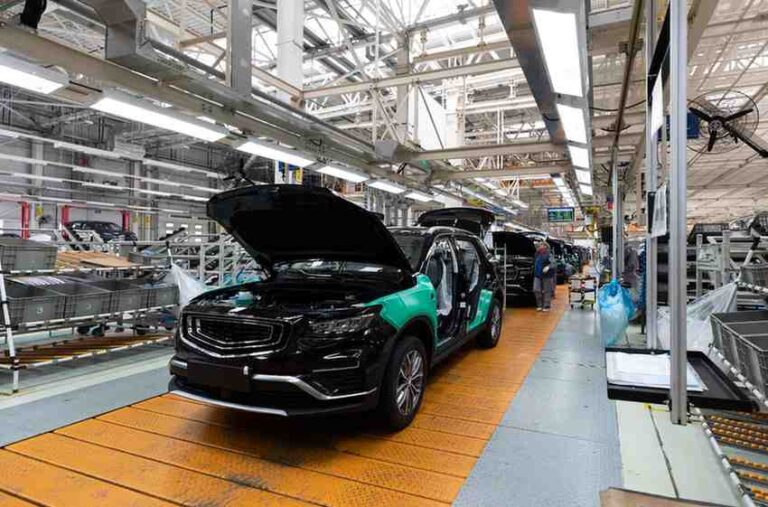
The automotive industry is entering one of the most significant reinvention phases in its history. Electrification, software-defined vehicles, connected mobility ecosystems, and digital engineering are reshaping how vehicles are designed, built, and experienced. Product competitiveness today is no longer determined only by manufacturing scale or supply chain efficiency. Increasingly, it is shaped by the depth of technical expertise within engineering and technology teams.
As this transformation accelerates, talent capability has become a critical driver of innovation speed and product development cycles. Engineers working across EV powertrain systems, embedded software, advanced electronics, and data-driven vehicle platforms now sit at the center of automotive competitiveness. The ability to build and sustain strong workforce capability in these domains is becoming a defining factor for companies navigating industry disruption.
At the same time, high skill attrition in the automotive industry is steadily rising, particularly across niche engineering, software development, and advanced manufacturing roles. Talent with expertise in EV systems, autonomous technologies, AI-enabled vehicle software, and connected platforms is increasingly mobile, with opportunities expanding across technology firms, mobility startups, and global capability centers.
This shift is exposing a growing strategic challenge. When experienced specialists exit, organizations lose more than just headcount. They lose institutional knowledge, technical continuity within engineering programs, and the talent density required to sustain complex innovation pipelines. Replacing these capabilities is rarely immediate, especially in an already constrained talent market.
What was once treated as a routine retention issue is now emerging as a broader workforce planning and talent strategy concern. When high skill attrition in the automotive industry affects critical roles, it can slow product development timelines, disrupt engineering collaboration, and weaken an organization’s ability to execute long-term technology roadmaps.
For automotive CHROs, this shift marks an important turning point. Talent stability is no longer just an operational metric within HR dashboards. It is increasingly becoming a determinant of how effectively organizations can sustain transformation and compete in an industry being reshaped by technology.
Why High Skill Attrition Is Increasing in the Automotive Industry?
What this really points to is a structural shift in the automotive talent landscape. Attrition is no longer driven only by compensation differences or normal career mobility. The deeper change lies in how the demand for advanced engineering skills has expanded far beyond traditional automotive employers.
Several macro talent shifts are intensifying high skill attrition in the automotive industry, particularly across roles linked to electrification, vehicle software, and intelligent mobility systems.
One of the most significant drivers is the rapid expansion of the EV and battery ecosystem. As automakers accelerate investments in electric platforms, battery innovation, and energy management systems, demand for specialised engineering talent has surged. Battery manufacturers, EV startups, component suppliers, and technology partners are all hiring from the same limited talent pool, increasing competition for niche expertise.
At the same time, the rise of software-defined vehicles has created unprecedented demand for embedded software engineers. Modern vehicles now rely on complex software architectures that manage everything from safety systems and connectivity to autonomous capabilities. This has pulled automotive companies into direct competition with global technology firms for highly specialised software talent.
Another factor accelerating attrition is the rapid growth of Global Capability Centers (GCCs) across India. Many multinational automotive, mobility, and technology companies are expanding engineering and R&D hubs that focus on vehicle software, data platforms, and advanced digital technologies. These centers often offer strong exposure to global innovation programs, making them attractive destinations for experienced engineers.
The competitive landscape is further intensified by mobility startups and emerging technology companies entering the automotive ecosystem. Firms working on autonomous systems, connected mobility platforms, mobility-as-a-service solutions, and intelligent transportation technologies are actively recruiting automotive engineers who already understand vehicle architecture and regulatory environments.
As a result, several roles are experiencing particularly high levels of movement across the industry. These include EV powertrain engineers, battery technology specialists, embedded software engineers, ADAS and autonomous systems engineers, and data engineers working on AI-driven vehicle platforms.
The outcome is a talent market where experienced engineers are approached by multiple employers simultaneously, often across different industries. For organizations trying to build long-term workforce capability in emerging automotive technologies, this creates a difficult balancing act between hiring, retention, and long-term workforce planning.
In this environment, the automotive engineering talent market has become distinctly hyper-competitive. Companies are not only competing with traditional industry peers but also with technology companies, mobility innovators, and global R&D networks. As these ecosystems continue to expand, high skill attrition in the automotive industry is becoming less of a temporary fluctuation and more of a structural challenge that CHROs must address through deeper talent strategy and capability building.
The Real Business Impact of High Skill Attrition
As competition for specialised engineers intensifies, the consequences of high skill attrition in the automotive industry are beginning to surface across core business functions. What may initially appear as a talent management issue quickly evolves into a broader operational and strategic challenge.
The most visible impact often appears in product development timelines. Modern automotive platforms integrate multiple complex systems, from EV powertrains and advanced electronics to software architecture and connected services. When experienced engineers leave these programs, development teams lose technical continuity. Rebuilding expertise takes time, and that delay can slow validation cycles, platform upgrades, and new vehicle launches.
Another critical consequence is the erosion of institutional knowledge. Senior engineers often carry deep insights about vehicle architecture decisions, supplier ecosystems, engineering trade-offs, and regulatory constraints. Much of this expertise is built through years of hands-on experience and cross-functional collaboration. When those individuals exit, the knowledge they hold rarely transfers completely, creating capability gaps that new teams must gradually reconstruct.
Over time, these departures can weaken talent density within engineering teams. High-performing automotive R&D environments depend on clusters of experienced specialists who collectively solve complex technical problems. When several high-skill professionals leave within a short period, the collective expertise available to guide engineering decisions declines, affecting both problem-solving speed and innovation capacity.
The financial implications are equally significant. Replacing niche roles in areas such as EV systems or embedded software often involves extended hiring cycles, higher compensation benchmarks, and increased recruitment costs. As a result, high skill attrition in the automotive industry frequently drives up cost-per-hire while extending vacancy periods for critical roles.
Taken together, these disruptions begin to influence overall workforce capability. Teams spend more time rebuilding expertise instead of advancing product innovation, and organizations struggle to maintain momentum on long-term technology initiatives. For CHROs, this reinforces the growing importance of forward-looking workforce planning that anticipates capability risks before they affect business outcomes.
However, while many organizations recognise the problem, the traditional solutions used to address attrition are proving far less effective in today’s environment.
Why Traditional Retention Strategies Are Failing
Historically, retention strategies in the automotive sector were built for a relatively stable talent landscape. Engineering roles evolved gradually, career pathways were predictable, and workforce mobility largely occurred within the same industry ecosystem. Compensation adjustments, promotions, and incremental career progression were often enough to maintain workforce stability.
That environment has changed dramatically.
The rise of electrification, vehicle software, and intelligent mobility platforms has expanded the opportunities available to automotive engineers far beyond traditional employers. Today, experienced engineers may receive offers from technology companies, mobility startups, digital platforms, and global R&D centers simultaneously. In this context, compensation alone rarely determines career decisions.
Another limitation lies in how many organizations structure internal mobility. Emerging technology domains such as battery engineering, embedded AI, or vehicle cybersecurity often sit outside traditional career frameworks. Without clear pathways to transition into these roles, engineers seeking exposure to cutting-edge technologies frequently look for opportunities outside their current organizations.
At the same time, many existing workforce planning frameworks remain anchored in older engineering models. Hiring projections may still be based on conventional mechanical engineering demand rather than anticipating future requirements for software architects, data engineers, and digital systems specialists.
Perhaps the most significant gap lies in long-term capability development. In many cases, organizations attempt to address emerging skill shortages primarily through external hiring rather than building structured reskilling programs that strengthen internal talent pipelines.
These limitations reveal an important shift. Retention can no longer operate as a standalone HR policy. It must become part of a broader talent strategy that aligns workforce capability with the industry’s rapidly evolving technology landscape.
And that landscape is changing faster than many talent strategies can keep pace with.
The New Automotive Talent Battlefield: EV and Software Skills
At the heart of this transformation is a fundamental shift in the capabilities that define automotive competitiveness.
Vehicles are rapidly evolving into intelligent, connected technology platforms. Electrified powertrains, advanced electronics, embedded software systems, and connected mobility services are reshaping the industry’s technological foundation. As a result, the skills required to design and build modern vehicles are expanding far beyond traditional mechanical engineering domains.
Capabilities such as battery systems engineering are becoming central to EV development as automakers optimise energy storage systems and charging performance. At the same time, vehicle software architecture is emerging as a critical capability, enabling automakers to build complex operating systems that integrate multiple electronic control units and digital services.
New skill clusters are also developing around embedded artificial intelligence, supporting functions such as sensor fusion, predictive maintenance, and intelligent driver assistance. Alongside this, cybersecurity expertise is becoming essential as connected vehicles generate vast amounts of data and interact with external digital ecosystems.
Another rapidly growing domain involves cloud platforms for mobility ecosystems, where vehicle data integrates with digital infrastructure to support connected services, diagnostics, and software updates.
These changes highlight a deeper reality. What appears as high skill attrition in the automotive industry is often a reflection of a broader transformation in the industry’s skill architecture. Engineers with expertise in these emerging domains are now part of a global technology talent market, where demand extends far beyond traditional automotive employers.
In effect, automotive workforce transformation is fundamentally a skills transformation. Organizations that fail to build capabilities in these areas will struggle to maintain technological competitiveness.
This is precisely where the role of the CHRO becomes strategically critical.
How Automotive CHROs Can Reduce High Skill Attrition

Addressing high skill attrition in the automotive industry requires a shift from reactive retention tactics toward long-term capability building. Instead of focusing only on replacing departing employees, organizations must strengthen the structural foundations that support sustainable workforce capability.
One important priority is building capability pipelines for emerging technologies. As EV systems, vehicle software, and intelligent mobility platforms expand, organizations need structured reskilling and upskilling programs that allow existing engineers to transition into new technology domains. Developing internal expertise reduces dependence on a highly competitive external talent market.
Another critical capability is strengthening talent intelligence. Understanding where specialised talent exists, how competitors are hiring, and how compensation benchmarks are evolving provides organizations with the insights needed to anticipate talent shortages early. Data-driven hiring strategies allow companies to secure critical skills before market demand intensifies further.
Organizations also benefit from redefining career pathways for advanced engineering roles. Many highly skilled engineers prefer to deepen their technical expertise rather than move into management positions. Creating specialist career tracks helps retain experienced professionals while maintaining strong talent density within engineering teams.
Finally, hiring strategies must align closely with long-term technology roadmaps. When workforce planning integrates with EV platform development, software architecture initiatives, and digital mobility programs, organizations gain clearer visibility into future capability requirements and can begin building those skills well before they become scarce.
For automotive CHROs, the challenge is no longer simply managing attrition. The focus is increasingly on building a resilient talent ecosystem that supports continuous innovation. In an industry undergoing rapid technological transformation, the organizations that succeed will be those that secure and sustain the high-skill talent needed to drive the next generation of mobility.
Strengthening Automotive Talent Strategies with Market Intelligence
As automotive companies accelerate investments in EV platforms, software-defined vehicles, and digital engineering ecosystems, managing high skill attrition in the automotive industry increasingly requires a more structured and intelligence-led approach to talent strategy.
Many organizations are discovering that talent shortages and attrition risks are not always sudden disruptions. In most cases, they emerge gradually as demand for specialised skills rises across the industry. Without strong visibility into the external talent landscape, companies often realise the severity of these gaps only when critical roles become difficult to fill or experienced engineers begin leaving for emerging opportunities.
This is where talent intelligence and market insights become essential to strengthening long-term workforce strategy.
Access to deep talent intelligence for EV and software roles allows organizations to understand where specialised engineering capabilities exist, how talent supply is evolving across regions, and which skills are becoming increasingly scarce. These insights help companies anticipate hiring pressures earlier and align their workforce planning with future technology investments.
Similarly, leadership and engineering market mapping helps organizations identify high-impact specialists and emerging leaders across the automotive and mobility ecosystem. As companies expand their R&D capabilities in areas such as EV systems, vehicle software architecture, and AI-enabled mobility platforms, visibility into niche talent pools becomes critical to securing expertise before market competition intensifies.
Organizations are also increasingly adopting scalable hiring models for critical engineering skills, particularly when launching new EV programs or building large digital engineering teams. Structured talent fulfilment frameworks allow companies to scale hiring while maintaining strong talent quality, role fit, and long-term workforce capability.
In this environment, strategic talent partners can play an important role in helping enterprises navigate evolving talent markets. With access to deep industry insights and AI-led talent fulfilment capabilities, Taggd supports organizations in strengthening hiring strategies through data-driven talent intelligence, engineering market mapping, and scalable hiring models designed for transformation-led industries.
By combining market insights with structured talent execution, organizations gain stronger visibility into emerging talent risks while securing critical capabilities ahead of industry demand. For automotive CHROs navigating rapid technological change, this intelligence-led approach is becoming essential to sustaining innovation and reducing the long-term impact of high skill attrition in the automotive industry.
Wrapping Up
The pace of transformation across the automotive industry shows no signs of slowing. Electrification, connected mobility, and software-defined vehicle architectures are redefining how vehicles are engineered, manufactured, and continuously improved through digital capabilities.
These shifts require far deeper technical expertise than traditional automotive development models. EV platforms depend on specialised battery engineering and power electronics capabilities. Software-defined vehicles rely on embedded systems, cloud connectivity, and data-driven intelligence. Across all these areas, sustained innovation depends on strong and stable engineering capability.
In this environment, the ability to retain and strengthen high-impact technical talent is becoming a defining factor in industry competitiveness. Organizations that succeed in building strong workforce capability, maintaining high talent density, and strengthening long-term workforce planning will be better positioned to accelerate innovation and execute complex technology roadmaps.
By contrast, organizations that continue to face persistent high skill attrition in the automotive industry risk losing critical engineering continuity. Frequent talent disruption can slow product development, weaken institutional expertise, and delay transformation initiatives tied to EV platforms and digital mobility programs.
For automotive CHROs, this marks a strategic inflection point. Investments in technology platforms, electrification strategies, and digital mobility ecosystems must be matched by equally strong investments in talent capability and stability.
In many ways, the next phase of automotive competitiveness will be determined not only by the technologies companies build, but by the strength and continuity of the engineers who build them.
FAQs
What is high skill attrition in the automotive industry?
High skill attrition in the automotive industry refers to the departure of experienced engineers and specialists in areas like EV systems, vehicle software, and advanced electronics, leading to capability gaps in critical innovation programs.
Why is engineering talent attrition rising in the automotive sector?
Engineering attrition is rising due to growing demand for EV, software, AI, and battery expertise across automakers, technology firms, mobility startups, and Global Capability Centers competing for the same talent pools.
Which automotive roles face the highest attrition risk today?
Roles such as EV powertrain engineers, battery technology specialists, embedded software engineers, ADAS and autonomous systems engineers, and AI or data engineers face the highest attrition risk.
How does high skill attrition affect automotive innovation?
High skill attrition can slow product development, reduce talent density within engineering teams, weaken institutional knowledge, and delay innovation across EV platforms and software-defined vehicle programs.
How can automotive companies retain critical engineering talent?
Automotive companies can strengthen retention by investing in capability development, creating specialist career pathways, strengthening workforce planning, and using talent intelligence to anticipate skill demand and secure expertise early.
As EV platforms, vehicle software, and digital engineering ecosystems expand, securing and sustaining specialised talent is becoming a critical priority for automotive organizations. Managing high skill attrition in the automotive industry requires more than reactive hiring. It calls for deeper talent intelligence, stronger workforce planning, and scalable hiring strategies aligned with long-term technology roadmaps.
Taggd partners with automotive enterprises to strengthen talent outcomes through AI-led talent fulfilment, engineering talent intelligence, and scalable hiring models designed for transformation-driven industries. By combining market insights with execution rigour, organizations gain the visibility needed to anticipate talent risks, secure critical engineering expertise, and build the workforce capability required for the next phase of automotive innovation.
Explore how Taggd can help strengthen your automotive talent strategy.