Manufacturing recruitment is becoming one of the biggest constraints on industrial growth.
Across India, manufacturing expansion is accelerating as companies invest in automation, EV production, electronics manufacturing, and supply chain diversification.
New plants, production lines, and industrial corridors are emerging rapidly, signalling strong momentum for the manufacturing sector.
Yet many organisations are discovering that building production capacity is easier than building workforce capability.
While factories are expanding, companies are struggling with manufacturing talent acquisition, access to specialised skills, and workforce stability.
Skilled engineers, technicians, and production specialists remain difficult to hire at the pace required by industry growth. In fact, insights from the India Decoding Jobs Report 2026 indicate that nearly 62% of manufacturing employers report increasing difficulty in sourcing specialised technical talent, particularly across automation, quality engineering, and plant operations roles.
The report also highlights that manufacturing job demand in India grew by over 18% year-on-year, driven by expansion in sectors such as automotive, electronics, and industrial engineering.
However, the supply of skilled talent has not kept pace with this growth. As a result, hiring cycles are lengthening and companies are facing rising competition for experienced professionals across major industrial hubs.
At the same time, workforce mobility is increasing across manufacturing clusters. According to the India Decoding Jobs Report 2026, technician and mid-level engineering attrition in manufacturing has reached 20–24% across several industrial corridors, creating continuous pressure on manufacturing workforce planning and recruitment teams.
These shifts are forcing CHROs to rethink how talent strategies support industrial performance. Traditional hiring approaches built around reactive manufacturing recruitment and fragmented vendor networks are proving insufficient for the scale and complexity of today’s workforce challenges.
In response, companies are exploring more structured approaches to manufacturing talent acquisition, including stronger manufacturing employer branding, specialised manufacturing executive search, and scalable hiring models such as manufacturing RPO to manage complex hiring mandates across multiple plants.
What this reveals is a deeper shift. Manufacturing competitiveness is no longer determined solely by capital investment, production technology, or supply chain resilience. Increasingly, it depends on the strength of workforce strategy.
For CHROs, the question is no longer whether talent challenges exist. The real question is how manufacturing workforce planning and recruitment strategies must evolve to support the next phase of industrial growth.
Manufacturing Growth Is Accelerating Across India
This shift becomes clearer when the broader trajectory of the sector is examined. Manufacturing is entering a period of sustained expansion, with investments flowing into new plants, technology upgrades, and production capacity across multiple industries.
Manufacturing investment in India has increased significantly across sectors such as automotive, electronics, renewable energy, and engineering.
Government initiatives, infrastructure development, and global supply chain realignment are encouraging companies to strengthen domestic production capabilities and scale manufacturing operations.
As factories expand, organisations are facing growing pressure on manufacturing recruitment and manufacturing talent acquisition to support rising workforce demand across engineering, production, and plant operations roles.
Industry Growth Indicators
Several signals highlight the scale of manufacturing expansion underway in India.
• India is targeting $1 trillion in manufacturing output by 2030, signalling large-scale production expansion and significant workforce demand across industrial sectors.
• EV, electronics, and engineering industries are expanding rapidly, creating new demand for specialised technical talent across automation, production engineering, and quality management roles.
• Global manufacturers are investing in new plants across emerging industrial corridors, intensifying regional competition for skilled engineers, technicians, and plant leadership talent.
Also, the India Decoding Jobs Report 2026 reinforce this momentum, highlighting that manufacturing job creation is rising across major industrial clusters as companies expand production capacity.
However, workforce supply is not scaling at the same pace as manufacturing growth, placing increasing pressure on manufacturing workforce planning and long-term talent strategies.
Manufacturing Talent Shortages Are Becoming Structural
This imbalance between industry expansion and workforce supply points to a deeper issue. As manufacturing capacity grows across sectors, the challenge is no longer simply about filling vacancies. It is about the availability of skilled talent at scale.
Manufacturing companies are increasingly facing a widening gap between workforce demand and available talent. What once appeared to be a temporary hiring challenge is now emerging as a structural workforce issue across many industrial sectors.
The shortage is no longer limited to shopfloor roles. Organisations are struggling to hire across a broad range of positions, including production engineers, automation specialists, maintenance technicians, quality experts, and plant leadership roles. For many companies, manufacturing recruitment efforts are taking longer and becoming more complex as competition for experienced professionals intensifies.
Workforce Gap Signals
Several indicators highlight the scale of this growing workforce challenge.
- Global manufacturing could face a shortage of nearly 7.9 million workers by 2030, pointing to a significant long-term talent gap across industrial sectors.
- Millions of new industrial roles are expected to emerge globally over the next decade, as manufacturing capacity expands and technology adoption accelerates.
- employers are reporting increasing difficulty in hiring engineering and technical talent, reflecting growing skill supply constraints in specialised roles.
Insights from the India Decoding Jobs Report 2026 echo these trends within the Indian manufacturing ecosystem. The report notes that many manufacturing employers are experiencing prolonged hiring cycles due to shortages of skilled engineers, technicians, and supervisors.
As a result, manufacturing talent acquisition is increasingly becoming a strategic priority for industrial organisations, rather than a purely operational hiring function.
How are Skills and Workforce Mobility Reshaping Manufacturing Hiring?
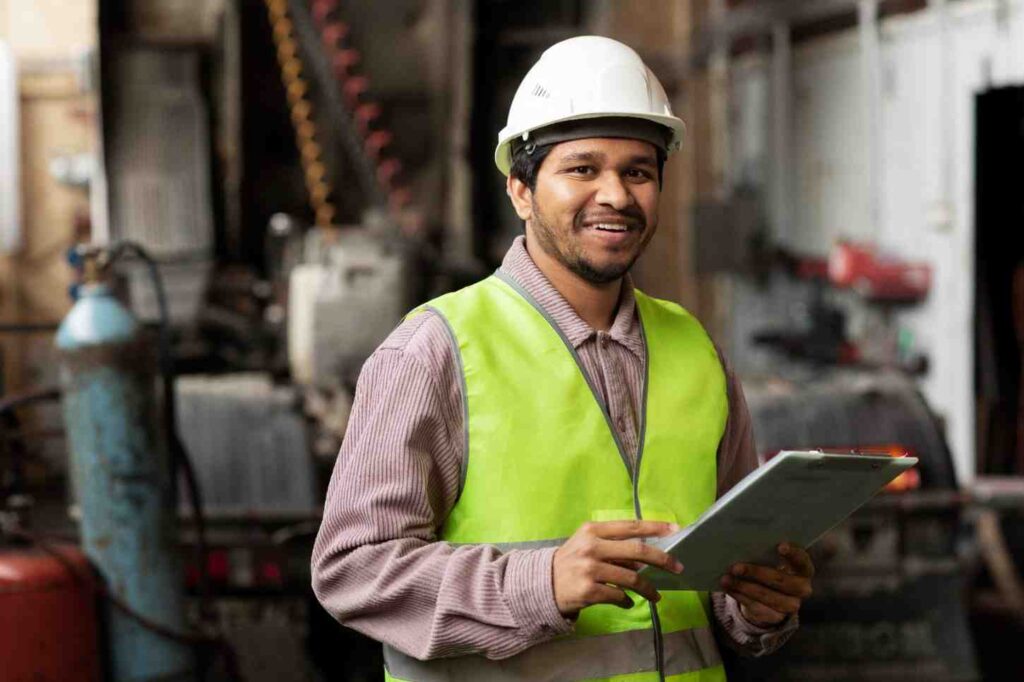
The talent gap in manufacturing is not only about the number of available workers. It is also about how the nature of work inside factories is changing and how talent moves across the industry. As production environments evolve, the expectations from engineers, technicians, and production specialists are shifting just as quickly.
Modern factories look very different from traditional production floors. Automation systems, robotics, connected machines, and data-driven monitoring tools are now becoming part of everyday manufacturing operations. These technologies are improving productivity, but they are also redefining the skills companies need from their workforce.
Engineers today are expected to understand both mechanical systems and digital technologies. Maintenance teams must work with predictive analytics tools, while production supervisors increasingly manage automated processes alongside human teams. As a result, manufacturers are looking for professionals who combine engineering knowledge with digital and operational expertise.
Insights from the India Decoding Jobs Report 2026 suggest that many employers are now prioritising cross-functional technical capabilities. Companies are seeking talent that can operate in technology-enabled production environments rather than purely traditional shopfloor roles. This shift is making manufacturing recruitment more complex, as the pool of professionals with these hybrid skills remains limited.
At the same time, workforce movement across manufacturing hubs is adding another layer of complexity. Industrial clusters in states such as Maharashtra, Tamil Nadu, Gujarat, and Karnataka are expanding rapidly, and skilled workers often move between employers within these regions in search of better opportunities.
Technicians, engineers, and production specialists frequently switch organisations once they gain experience in advanced manufacturing environments. This mobility increases competition for talent and places constant pressure on manufacturing talent acquisition teams to refill critical roles.
For many companies, the challenge is no longer limited to attracting talent. Retaining skilled workers and maintaining workforce continuity across plants has become equally important. Rising attrition, particularly in technician and mid-level engineering roles, can disrupt production schedules and increase hiring cycles.
These shifts are forcing organisations to take a more strategic view of manufacturing workforce planning. Companies that invest in stronger manufacturing employer branding, structured talent pipelines, and long-term workforce strategies are better positioned to stabilise their workforce and support expanding production operations.
Hiring Delays are Affecting Plant Performance
As skill requirements evolve and workforce mobility increases, another challenge is becoming more visible across manufacturing operations: hiring timelines. When critical roles remain vacant for extended periods, the impact is felt directly on the production floor.
Manufacturing plants depend on a tightly coordinated workforce. Maintenance engineers keep equipment running efficiently, production supervisors manage line productivity, and automation specialists ensure that modern production systems operate smoothly. When these roles remain unfilled, even for a few weeks, operational efficiency can begin to decline.
For example, delays in hiring maintenance engineers can slow equipment servicing schedules, increasing the risk of unexpected downtime. Similarly, a shortage of experienced technicians can affect production line stability, especially in plants operating advanced manufacturing technologies.
Many employers are reporting growing difficulty in filling these specialised technical roles. Engineering positions often require longer hiring cycles because the available talent pool is limited, and candidates with the right technical and operational experience are highly sought after.
Insights from the India Decoding Jobs Report 2026 highlight that hiring delays in technical roles are increasingly affecting operational efficiency across several manufacturing sectors. As companies expand production capacity, the pressure on manufacturing talent acquisition teams to fill roles quickly and effectively continues to grow.
For manufacturing leaders, this means that recruitment is no longer only an HR function. It has become closely tied to production timelines, plant efficiency, and overall operational performance.
Why Traditional Manufacturing Recruitment Is Struggling?
Despite these changing workforce dynamics, many manufacturing organisations still rely on recruitment models designed for a very different labour market. These approaches were built for environments where talent supply was stable, workforce mobility was limited, and hiring demand was relatively predictable.
Today’s manufacturing landscape looks very different.
Factories are expanding faster, skill requirements are evolving, and talent competition across industrial clusters is intensifying. In this environment, traditional hiring approaches often struggle to keep up with the pace and complexity of workforce demand.
One common challenge is reactive hiring. Many organisations begin recruitment only after a vacancy appears, which can lead to longer hiring cycles and delays in filling critical roles. In addition, fragmented vendor networks and limited access to talent market intelligence often make it difficult to identify suitable candidates quickly.
Another limitation is the absence of structured talent pipelines. Without ongoing engagement with potential candidates, companies are forced to start the hiring process from scratch each time a role opens, further slowing recruitment timelines.
According to insights from the India Decoding Jobs Report 2026, organisations that adopt more structured, data-driven hiring approaches are better able to manage workforce demand and reduce hiring delays. This shift is encouraging many companies to rethink how manufacturing recruitment, manufacturing workforce planning, and long-term talent strategies are structured.
As workforce challenges intensify, building a more proactive and scalable recruitment infrastructure is becoming increasingly important for manufacturers looking to sustain growth.
Manufacturing Workforce Planning Must Become Strategic
As traditional hiring approaches struggle to keep pace with evolving workforce demands, many manufacturers are realising that recruitment alone cannot solve the problem. What is required is a more structured way of anticipating talent needs before shortages begin to affect operations.
This is where manufacturing workforce planning becomes critical.
Rather than reacting to vacancies as they arise, leading organisations are taking a longer-term view of how workforce capability supports production goals. Hiring strategies are increasingly being aligned with plant expansion plans, technology adoption, and future skill requirements across manufacturing operations.
A more strategic approach to workforce planning typically focuses on three areas.
Predictive workforce planning helps organisations anticipate talent demand before production capacity expands. By analysing plant expansion timelines, new product introductions, and automation investments, companies can forecast the roles and skills they will need months or even years in advance. This allows manufacturing talent acquisition teams to prepare talent pipelines before hiring pressure becomes urgent.
Talent intelligence is another important capability. Companies are increasingly using labour market insights to understand where specialised skills are available, how compensation levels are evolving, and which regions offer stronger access to engineering and technical talent. These insights help manufacturers make more informed decisions about plant locations, hiring strategies, and manufacturing recruitment priorities.
Finally, organisations are investing in long-term talent pipeline development. Instead of searching for candidates only when a role opens, companies are building ongoing relationships with potential hires through campus engagement, industry networks, and specialised sourcing initiatives. Over time, this approach helps reduce hiring delays and improve workforce stability across plants.
As workforce challenges continue to intensify, strengthening manufacturing workforce planning is becoming essential for companies that want to sustain production growth while maintaining operational continuity.
Building a Stronger Manufacturing Talent Strategy
As workforce challenges become more complex, manufacturers are recognising that solving hiring problems requires more than faster recruitment cycles. The real shift is toward building a stronger talent strategy that combines scalable hiring infrastructure, leadership capability, and a compelling employer value proposition.
Many organisations are therefore expanding how they approach manufacturing talent acquisition, moving beyond traditional hiring models to create more structured and resilient recruitment ecosystems.
One area gaining significant traction is manufacturing RPO. As hiring demand grows across multiple plants and specialised technical roles, internal recruitment teams often struggle to manage the scale and speed required. RPO partnerships provide manufacturers with dedicated recruitment infrastructure that can support high-volume hiring, niche technical sourcing, and regional talent mapping. With access to specialised networks and hiring expertise, companies can accelerate recruitment timelines and maintain stronger visibility into talent markets across industrial clusters.
At the same time, leadership capability is becoming equally critical. Modern factories require leaders who understand both operational excellence and technological transformation. As automation, digital manufacturing systems, and data-driven production models expand, companies need leaders who can manage this transition while maintaining production performance. This has increased the importance of manufacturing executive search for roles such as plant heads, operations directors, engineering leaders, and technology specialists. Securing the right leadership talent often determines how successfully organisations adopt new production technologies and scale operations.
Another important dimension shaping hiring outcomes is manufacturing employer branding. Skilled engineers and technicians today have more career choices than ever before. Manufacturing companies are competing not only with other industrial employers but also with technology firms, startups, and service sector organisations. Building a strong employer brand helps organisations position manufacturing careers as innovative, technology-driven, and growth-oriented. Highlighting advanced manufacturing capabilities, career progression opportunities, and engagement with technical institutes can significantly improve attraction and retention outcomes.
Together, these elements – scalable recruitment models, specialised leadership hiring, and strong employer branding form the foundation of a modern manufacturing talent strategy.
This is where strategic talent partners play an increasingly important role.
As an AI-led talent fulfilment company, Taggd works closely with manufacturing organisations to strengthen workforce capability at scale. By combining deep insight into India’s manufacturing talent markets with advanced recruitment technology, Taggd helps companies build structured hiring ecosystems that support both immediate workforce needs and long-term growth.
Through specialised manufacturing recruitment, manufacturing RPO, and manufacturing executive search capabilities, Taggd enables organisations to access specialised engineering talent, accelerate hiring cycles, and strengthen leadership pipelines across production networks. The approach also integrates manufacturing workforce planning and employer branding strategies, helping companies build sustainable talent pipelines that support expanding operations.
As manufacturing continues to evolve, organisations that invest in stronger talent strategies will be better positioned to sustain productivity, adopt new technologies, and compete in an increasingly complex industrial landscape.
Wrapping up
Manufacturing transformation is accelerating. Automation, digital production systems, and shifting global supply chains are redefining how factories operate and how companies scale industrial capacity.
Yet technology alone will not determine which manufacturers lead the next phase of growth.
Across the sector, it is becoming increasingly clear that the real differentiator will be talent. Machines can be installed and production lines can be expanded, but building the workforce capable of operating advanced manufacturing environments requires deliberate strategy and long-term investment.
For CHROs, this shift places workforce strategy at the centre of business performance. Hiring speed now affects plant ramp-ups. Leadership capability influences technology adoption. Workforce stability determines whether production lines operate at full capacity. In many organisations, talent strategy has become inseparable from operational strategy.
Insights from the India Decoding Jobs Report 2026 reinforce this reality. The report highlights that manufacturing companies able to build strong talent pipelines, strengthen leadership capability, and align workforce planning with production growth are better positioned to navigate industry transformation.
For CHROs, the opportunity is significant. Organisations that invest in structured manufacturing talent acquisition strategies can create a workforce advantage that competitors will find difficult to replicate. They can scale production faster, adopt new technologies more effectively, and build resilient teams capable of sustaining long-term growth.
In the years ahead, manufacturing competitiveness will be shaped not only by capital investment or technology adoption, but by how effectively companies build, attract, and retain the talent that powers modern factories.
FAQs
What are the biggest hiring challenges in the manufacturing industry today?
Manufacturers are facing skill shortages, rising workforce mobility, and longer hiring cycles for technical roles. These challenges are forcing organisations to rethink manufacturing recruitment strategies and adopt more structured manufacturing talent acquisition approaches.
Why is manufacturing talent acquisition becoming more strategic for CHROs?
Manufacturing talent acquisition now directly impacts plant productivity, technology adoption, and operational stability. Strategic workforce planning helps organisations anticipate hiring needs and build talent pipelines that support production growth and industrial transformation.
How does manufacturing RPO help companies manage hiring challenges?
Manufacturing RPO provides scalable recruitment infrastructure, specialised sourcing expertise, and faster hiring processes. It helps organisations manage large hiring mandates, access niche engineering talent, and improve recruitment efficiency across multiple plants and locations.
Why is manufacturing employer branding important for attracting talent?
Strong manufacturing employer branding helps organisations compete for skilled engineers, technicians, and production specialists. Highlighting technology adoption, career growth, and innovation in manufacturing can significantly improve talent attraction and retention.
What role does workforce planning play in manufacturing growth?
Manufacturing workforce planning aligns hiring with production expansion, automation adoption, and future skill needs. A structured approach helps organisations anticipate talent demand and maintain workforce stability as operations scale.
What is manufacturing recruitment and why is it important?
Manufacturing recruitment refers to the process of sourcing, evaluating, and hiring talent for roles across production, engineering, operations, and plant leadership. Effective manufacturing recruitment ensures companies can maintain production efficiency, support plant expansions, and adopt new manufacturing technologies.
What is manufacturing RPO and how does it benefit manufacturers?
Manufacturing RPO (Recruitment Process Outsourcing) is a hiring model where organisations partner with specialised providers to manage part or all of their recruitment processes. It helps manufacturers scale hiring quickly, access specialised technical talent, and improve workforce planning across multiple plants or locations.
Manufacturing growth increasingly depends on the strength of talent strategy. As hiring complexity rises across engineering, plant operations, and leadership roles, many organisations are rethinking how their workforce strategies support long-term growth.
With expertise in recruitment, RPO, and manufacturing executive search, Taggd helps organisations strengthen manufacturing workforce planning and scale talent acquisition across expanding operations.
Discover how Taggd can help build a future-ready manufacturing workforce.