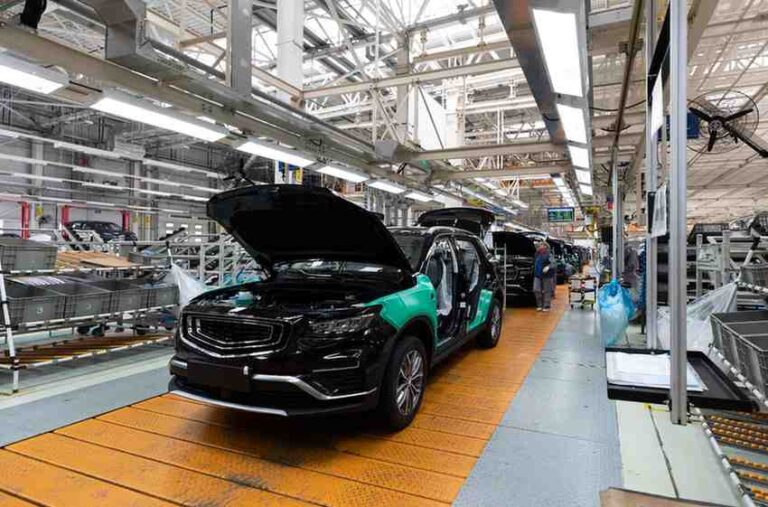
Few transitions in the automotive industry have been as disruptive as the shift toward electric mobility and software-defined vehicles. As automakers accelerate investments in EV platforms, traditional internal combustion engine architectures are gradually giving way to new vehicle designs built around batteries, electronics, and digital systems.
This automotive workforce transformation is redefining how vehicles are engineered and how value is created across the industry. Software-defined vehicles are reshaping product development, while electronics and embedded systems are becoming central to vehicle performance, safety, and customer experience. Increasingly, differentiation between automotive brands is being driven as much by software capabilities and digital platforms as by mechanical engineering.
These changes are also transforming the talent architecture inside automotive organizations. Engineers who once specialised primarily in mechanical systems now operate alongside specialists in battery technology, power electronics, embedded software, and vehicle data systems. The skills required to build next-generation vehicles are expanding beyond traditional automotive engineering disciplines.
This is why automotive workforce transformation has moved to the centre of industry strategy. The shift toward EV platforms and software-led innovation is not only a technology transition. It is a fundamental workforce challenge that requires organizations to rethink how engineering capability is built, developed, and scaled for the future of mobility.
This shift toward EV platforms and digital vehicle architectures is not only changing how vehicles are built. It is fundamentally reshaping the capabilities automotive companies must develop within their workforce.
The Automotive Industry Is Moving From Mechanical to Software-Led Innovation
For decades, the industry’s competitive advantage was built on strengths such as mechanical engineering excellence, large-scale manufacturing capabilities, and highly optimised supply chains. Success depended on the ability to design reliable mechanical systems, manage complex production ecosystems, and deliver vehicles at scale with consistent quality.
Today, that foundation is expanding. As vehicles become increasingly electrified and software-driven, the capabilities required to design and operate modern automotive platforms are evolving rapidly.
Organizations now require deeper expertise in software engineering, advanced electronics, battery technology, and vehicle data systems. These capabilities are essential for developing software-defined vehicles, integrating battery architectures, managing energy systems, and enabling connected vehicle functionality.
This transition is creating a profound shift in talent demand across the automotive sector. Roles that were once peripheral to traditional automotive engineering are now becoming central to vehicle development. As a result, CHROs and talent leaders are increasingly focusing on skills taxonomy development, competency mapping, and strategic workforce planning to understand how existing engineering capabilities align with future product roadmaps.
The challenge is not simply hiring new talent. It is about redesigning the workforce to support a technology landscape where software, electronics, and energy systems play an equal role alongside mechanical engineering in shaping the next generation of vehicles.
The shift from mechanical engineering to software-led innovation does more than redefine how vehicles are built. It also changes what kind of expertise automotive organizations must develop inside their workforce. As product architectures evolve, the skills required to design, integrate, and support these systems are evolving just as quickly.
Why EV and Software Platforms Are Reshaping Workforce Requirements?

Electric vehicles and software-defined platforms are introducing a new layer of technical complexity across the automotive value chain. Unlike traditional ICE vehicles, EV architectures rely heavily on integrated systems that combine energy management, electronics, software, and data-driven functionality.
As a result, the skills required to design and develop next-generation vehicles are expanding beyond traditional mechanical engineering disciplines. EV programs increasingly depend on expertise in areas such as battery systems engineering, power electronics, embedded software development, vehicle operating systems, advanced driver assistance software, and vehicle data platforms.
These capabilities are essential for building vehicles where performance, safety, connectivity, and user experience are deeply tied to digital and electronic systems. Engineers working on EV platforms must often collaborate across multiple domains, bringing together mechanical, electrical, and software expertise within integrated product development environments.
However, many traditional automotive talent structures were not originally designed for this combination of capabilities. Workforce models that historically prioritised mechanical engineering depth now need to accommodate a broader skills taxonomy that includes software engineering, electronics architecture, and data systems expertise.
This is where competency mapping and strategic workforce planning become increasingly important. Automotive organizations must assess existing workforce capabilities, identify emerging capability gaps, and design talent strategies that ensure the right mix of skills is available as EV and software programs scale.
Without a clear view of how product innovation is reshaping talent demand, companies risk developing product strategies that move faster than their workforce readiness. In the EV era, aligning workforce capability with technology roadmaps is becoming a critical factor in sustaining long-term competitiveness.
As EV programs expand and software-defined vehicle architectures mature, the gap between existing workforce capabilities and emerging technical requirements becomes increasingly visible. Many automotive organizations are discovering that the challenge is not simply adding more engineers, but ensuring the workforce has the right mix of expertise to support this transition.
The Capability Disruption Automotive Companies Are Facing
One of the most significant challenges in the EV transition is a growing capability imbalance within automotive workforces. For decades, talent structures in the industry were built around mechanical engineering depth, reflecting the complexity of internal combustion engine systems and traditional vehicle platforms.
As a result, many organizations today still operate with large mechanical engineering teams, while capabilities in areas such as software engineering, battery systems, and advanced electronics remain relatively limited. At the same time, EV platforms and software-defined vehicles demand precisely these capabilities to support product development and vehicle performance.
This creates a structural challenge that goes beyond hiring volume. In many cases, the issue is not simply a shortage of engineers, but a mismatch between existing workforce capacity and the capabilities required for future vehicle platforms.
For example, organizations may have strong internal expertise in mechanical systems while facing constraints in areas such as embedded software development, battery engineering, or power electronics. As EV programs scale, these capability gaps can begin to affect engineering productivity, product development speed, and innovation capacity.
Addressing this disruption requires a clear understanding of what skills exist within the workforce and how they align with emerging technology needs. Practices such as building a detailed skills taxonomy, conducting structured competency mapping, and performing ongoing workforce capability assessments allow organizations to identify where capability gaps exist and how workforce transformation should be prioritised.
In the context of EV and software-led innovation, workforce strategy is no longer about expanding headcount alone. It is about rebalancing engineering capability so that the workforce reflects the technical architecture of next-generation vehicles.
As organizations begin to assess these capability imbalances, another pattern becomes clear. In many cases, product innovation is advancing faster than workforce readiness. EV platforms and software-driven vehicle architectures are scaling rapidly, while workforce transformation initiatives often struggle to keep pace.
Why Workforce Transformation Is Moving Slower Than Product Transformation
Across the automotive sector, EV programs and software-led vehicle platforms are expanding at an unprecedented pace. New vehicle architectures, battery technologies, and digital systems are being introduced quickly as companies compete to accelerate electrification and software innovation.
However, workforce transformation has not always progressed at the same speed.
One of the primary reasons is that EV programs are scaling faster than reskilling initiatives. While organizations are investing heavily in new product platforms, structured programs to reskill existing engineers for EV systems, electronics integration, or software development often take longer to design and implement.
Another challenge lies in limited workforce forecasting for emerging roles. Many companies are still developing the frameworks needed to anticipate how demand for skills such as battery engineering, embedded software, and vehicle data systems will evolve as EV adoption grows. Without strong workforce forecasting models, hiring and development efforts tend to react to immediate project needs rather than future capability requirements.
In some organizations, capability transformation initiatives are also delayed by organisational complexity. Large engineering teams built around legacy vehicle platforms require careful redesign to support new EV architectures, and this transition can take time to execute effectively.
As a result, companies frequently rely on external engineering vendors or specialised contractors to fill immediate capability gaps. While this approach can help maintain project momentum, over-reliance on external expertise may limit the organization’s ability to build sustainable internal engineering capability over the long term.
These challenges highlight why workforce strategy is becoming central to automotive transformation. Through stronger workforce forecasting, capability planning, and proactive talent development, organizations can ensure that engineering talent evolves alongside product innovation rather than struggling to catch up with it.
As organizations work to strengthen workforce planning and capability development, another reality becomes increasingly clear. Even when companies know which skills they need, securing that talent in the market has become significantly more difficult.
The Automotive Talent Market Has Become Structurally Competitive
The transition toward EV platforms and software-defined vehicles has expanded the range of industries competing for the same technical talent. Automotive companies are no longer drawing engineers solely from traditional automotive ecosystems.
Today, organizations are competing with technology firms, semiconductor companies, mobility startups, and even energy companies for many of the same skill sets. Software engineers, electronics specialists, and data systems experts are in demand across multiple industries that are investing heavily in digital platforms and advanced technologies.
This shift has fundamentally changed the competitive dynamics of the talent market. Engineers with expertise in embedded systems, advanced electronics, or software architecture often have multiple industry options, allowing them to move across sectors where similar technical capabilities are valued.
As a result, the competition for talent is no longer automotive versus automotive. It is increasingly automotive versus technology-driven industries, many of which operate with different hiring speeds, compensation structures, and career opportunities for engineering talent.
This structural competition makes it more challenging for automotive organizations to attract and secure specialised technical expertise, particularly as EV and software programs continue to expand.
As talent competition intensifies, many companies are also discovering that the hiring models built for traditional automotive roles are not always suited to this new talent landscape.
Why Traditional Hiring Models Are Struggling
The shift toward EV and software-driven vehicle development is exposing limitations in conventional hiring approaches used across much of the automotive sector.
One challenge is that software engineers and electronics specialists require different sourcing networks compared with traditional automotive engineering roles. These professionals are often concentrated in technology ecosystems, digital engineering hubs, and software communities that may not have historically been part of automotive hiring strategies.
Another constraint is the scarcity of EV-specific expertise. Skills related to battery systems, power electronics, and advanced vehicle software architectures remain limited in the talent market. Identifying engineers with both domain expertise and relevant project experience can significantly extend hiring timelines.
The pace of transformation is also creating scalability challenges. As new EV platforms and digital vehicle programs expand, organizations often need to hire specialised engineers in larger volumes and within tighter timeframes.
At the same time, internal hiring teams may have limited visibility into emerging talent markets, particularly when recruiting for capabilities that were not previously central to automotive engineering. Without strong talent intelligence and labour market insights, sourcing the right candidates can become increasingly complex.
Together, these factors contribute to longer hiring cycles and slower capability building, which can ultimately affect how quickly organizations are able to scale EV and software-led programs.
In response to these challenges, some automotive companies are beginning to rethink how workforce transformation should be approached in a technology-driven industry.
What Leading Automotive Companies Are Doing Differently
Forward-looking automotive organizations are recognising that workforce transformation must move in parallel with product innovation. Rather than relying solely on traditional hiring approaches, they are adopting more strategic talent models designed to support long-term capability development.
One important approach involves large-scale workforce reskilling programs. Many companies are investing in structured learning initiatives that help existing mechanical engineers develop expertise in EV systems, electronics integration, and software-enabled vehicle technologies. This allows organizations to retain valuable engineering experience while expanding the technical capabilities required for new vehicle platforms.
Another emerging practice is the creation of global software engineering hubs. Automotive companies are establishing dedicated centres focused on vehicle software development, digital architecture, and connected vehicle technologies, often located in regions with strong software talent ecosystems.
Some organizations are also expanding hiring efforts beyond traditional automotive talent pools by recruiting engineers from technology industries, particularly in areas such as embedded software, cloud platforms, and vehicle data systems.
To support these efforts, many companies are using workforce analytics and talent intelligence to forecast future EV talent demand and identify emerging skill clusters within the labour market. This data-driven approach helps align hiring strategies with evolving technology requirements.
Perhaps most importantly, leading organizations are beginning to integrate workforce planning directly with product roadmaps. By aligning engineering talent strategy with vehicle platform development cycles, they ensure that the capabilities required for next-generation vehicles are developed well before those programs reach scale.
In an industry where product innovation is accelerating rapidly, organizations that treat workforce transformation as a strategic capability program are better positioned to sustain long-term competitiveness in the EV and software-defined vehicle era.
Strengthening Workforce Transformation Outcomes
As automotive companies navigate the transition toward EV platforms and software-defined vehicles, workforce transformation requires more than isolated hiring initiatives or reskilling programs. Organizations increasingly need clear visibility into evolving talent markets, structured workforce planning, and scalable hiring models that can support rapid technology shifts.
This is where talent intelligence becomes particularly valuable. Understanding where specialised expertise exists across areas such as EV systems engineering, embedded software, and vehicle electronics allows organizations to make more informed workforce decisions. Insights into talent supply, emerging skill clusters, and compensation benchmarks help align hiring strategies with long-term product and technology roadmaps.
At the same time, the scale of transformation requires hiring models that can expand quickly as EV programs and digital vehicle platforms grow. Scalable recruitment frameworks help organizations maintain hiring velocity for specialised roles while ensuring that candidate quality and technical alignment remain strong.
Supporting this transition also requires a broader view of workforce capability. Beyond individual roles, companies must consider how engineering teams, digital talent, and legacy automotive expertise come together to support the next generation of vehicle platforms.
As a strategic talent partner, Taggd works with enterprises navigating complex workforce transitions across sectors undergoing technology disruption. By combining AI-led talent intelligence, deep insight into India’s talent markets, and scalable recruitment infrastructure, Taggd supports organizations in strengthening talent strategies for specialised and emerging roles.
With the right combination of talent intelligence, workforce planning, and scalable hiring capability, automotive companies can build the workforce foundations required to support EV expansion and software-led innovation in the years ahead.
Wrapping Up
The shift toward EV platforms and software-defined vehicles is reshaping the foundations of the automotive industry. Vehicle architectures are evolving rapidly, and with them, the capabilities required to design, build, and scale next-generation mobility solutions.
As this transformation accelerates, the competitive landscape will increasingly be shaped by workforce capability as much as by product innovation. Companies that can build strong expertise across software engineering, electronics systems, battery technologies, and data-driven vehicle platforms will be better positioned to lead the next phase of automotive development.
This is why automotive workforce transformation has become a strategic priority for industry leaders. The organizations that succeed in the EV era will not only be those that launch advanced vehicle platforms, but those that ensure their workforce evolves alongside those technologies.
Ultimately, the future of automotive competitiveness will be determined by how effectively companies align talent strategy with technology strategy. Automakers that transform their workforce as quickly as they transform their products will be best placed to lead in an industry where innovation, speed, and technical capability are becoming inseparable.
FAQs
Why is automotive workforce transformation important in the EV era?
Automotive workforce transformation is essential because EV platforms and software-defined vehicles require new skills in battery systems, electronics, and software engineering, which traditional automotive workforce structures were not originally designed to support.
What new skills are required for EV and software-defined vehicle development?
EV and software-led vehicle platforms require expertise in battery engineering, power electronics, embedded software, vehicle operating systems, advanced driver assistance technologies, and data-driven vehicle systems.
Why are automotive companies facing talent shortages in EV and software roles?
Automotive companies face shortages because engineers with EV and software expertise are in demand across technology firms, semiconductor companies, mobility startups, and energy companies competing for the same talent pools.
How can automotive companies prepare their workforce for EV transformation?
Automotive companies can prepare by investing in workforce reskilling, building EV talent pipelines, using workforce analytics for skills forecasting, and aligning workforce planning with product and platform development roadmaps.
Why is workforce planning critical during the automotive EV transition?
Workforce planning helps organizations forecast emerging skills, identify capability gaps, and ensure engineering talent is available as EV programs scale, enabling companies to support rapid technology transformation and product innovation.
Build the Workforce That Powers the Future of Mobility
As automotive companies transition toward EV platforms and software-defined vehicles, workforce capability is becoming a critical driver of long-term competitiveness. Organizations that align talent strategy with technology roadmaps are better positioned to scale innovation and sustain product leadership.
Taggd partners with enterprises navigating complex workforce transformations by combining AI-led talent intelligence, deep insight into India’s talent markets, and scalable recruitment infrastructure designed for emerging technical roles.
Connect with Taggd to explore how a structured talent fulfilment strategy can help build the specialised engineering and software capabilities required for the next generation of automotive innovation.