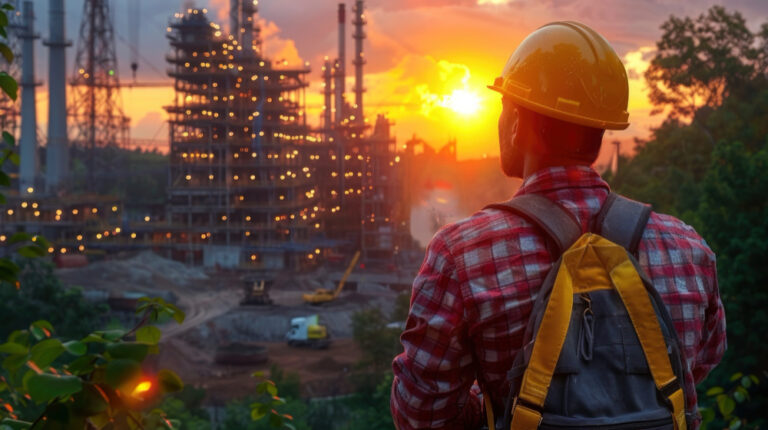
The emerging roles in petrochemicals are reshaping career opportunities as experienced engineers retire faster than new talent can replace them.
The petrochemical industry supplies essential raw materials for plastics, fertilizers, and synthetic fibers, serving as a cornerstone of global economic development.
Meanwhile, regions like the Gulf, China, and India are rapidly expanding their petrochemical production to meet growing demand.
As a result, petrochemical recruitment trends are accelerating across multiple areas. We are witnessing increased process engineer hiring that petrochemical facilities urgently require, particularly for plant maintenance hiring that India and the Gulf regions are prioritizing.
Specialty chemical talent demand continues growing, while downstream technical hiring and petrochemical executive search activities intensify to fill critical gaps.
But here is the challenge that industry leaders are confronting directly: the race to hire isn’t just faster- it’s getting structurally harder. And companies that treat this as a standard recruitment problem are falling behind.
The Changing Landscape of Petrochemical Engineering in 2026
Petrochemical engineering in 2026 is being reshaped by AI, IoT, automation, and sustainability mandates. Companies are adopting predictive maintenance, digital twins, and energy-efficient processes to improve performance.
At the same time, stricter environmental regulations are driving demand for sustainability-focused roles, making hybrid digital and green skills essential for future-ready petrochemical talent.
Digital Transformation and Automation Trends
Digital transformation in petrochemicals is accelerating rapidly, driven by the adoption of AI, IoT, and automation technologies. These innovations are fundamentally changing how petrochemical plants operate, maintain assets, and optimize production.
Today, petrochemical companies are using AI and machine learning to analyse real-time sensor data from equipment. This enables predictive maintenance, helping organizations identify potential failures before they occur.
- Reduce maintenance costs by 10–40%
- Increase asset uptime by 10–20%
- Minimize unplanned downtime and production losses
As a result, companies can extend the lifecycle of critical assets while improving operational efficiency.
IoT-enabled smart sensors are also transforming plant visibility. These sensors continuously track parameters such as pressure, temperature, and flow rates, allowing engineers to optimize processes in real time.
Key benefits of AI-powered process optimization include:
- 10–20% improvement in production yield
- 20–30% reduction in energy consumption
- Faster identification of bottlenecks and inefficiencies
Another major shift is the rise of digital twin technology. Companies like ADNOC are already implementing advanced digital twin programs such as Neuron 5 to simulate plant operations using real-time data.
Digital twins enable:
- Up to 50% reduction in unplanned shutdowns
- 20% increase in planned maintenance efficiency
- Better knowledge transfer between experienced and new engineers
Automation and robotics are further enhancing operational efficiency, especially in hazardous environments.
- Automation can increase production efficiency by up to 30%
- Robotics improve safety in tasks like pipeline inspections and toxic material handling
- Data analytics can deliver 30–50x ROI by reducing wastage, accidents, and process inefficiencies
Together, these technologies are making petrochemical operations smarter, safer, and more data-driven.
Also Read: Upstream Oil & Gas Hiring in India 2026: Trends, Talent Gaps & Recruitment Challenges
Sustainability Mandates Reshaping Job Requirements
Sustainability is no longer optional in the petrochemical industry. It is a core business priority. Increasing regulatory pressure and global climate commitments are forcing companies to rethink how they design, operate, and scale their facilities.
A major focus area is reducing emissions, particularly from syngas CO₂ output, which contributes significantly to overall carbon footprints. This has accelerated investments in:
- Carbon capture and storage (CCS) technologies
- Renewable energy integration (solar and wind)
- Cleaner production processes and energy-efficient systems
As a result, hiring trends in petrochemicals are shifting toward sustainability-focused green job roles. Companies are actively recruiting:
- Environmental engineers
- Sustainability consultants
- Renewable energy specialists
- ESG and compliance experts
Workplace safety is also evolving through technology adoption. AI-driven systems and IoT-enabled wearables are improving real-time monitoring of worker behaviour and environmental conditions.
These innovations can:
- Reduce workplace accidents by up to 50%
- Improve compliance with safety regulations
- Enable proactive risk management in hazardous environments
In addition, global regulations such as the Carbon Border Adjustment Mechanism (CBAM) are increasing pressure on petrochemical exporters to meet strict environmental standards.
To stay competitive, companies must:
- Demonstrate strong environmental performance
- Improve transparency in sustainability reporting
- Engage with stakeholders, including regulators and local communities
Ultimately, sustainability is not just reshaping operations. It is redefining petrochemical hiring requirements, with companies prioritizing professionals who can balance engineering expertise with environmental responsibility.
Also Read: Oil and Gas EPC Hiring in India: The Ultimate Guide to Bulk Recruitment Success
Why Petrochemical Hiring Is Becoming Harder in 2026
Petrochemical hiring in 2026 is a structural workforce crisis. Talent shortages are increasing time-to-hire, driving up costs, and directly impacting project execution across India and the Gulf.
For HR leaders, CHROs, and plant operations heads, the reality is clear: hiring delays are now business risks, not just HR issues.
Longer Time-to-Hire Is Delaying EPC Projects
Finding experienced talent for roles such as process engineers, carbon capture (CCS) specialists, and digital twin engineers has become increasingly difficult.
These roles require 3–5 years of domain-specific development, making quick hiring nearly impossible.
- Average time-to-fill for senior process engineering roles: 90+ days
- Niche roles (CCS, hydrogen engineers): 4–6 months or more
- Limited availability of project-ready talent
Impact:
- EPC project delays due to manpower shortages
- Slower commissioning timelines
- Increased dependency on contract staffing
Rising Hiring Costs Are Eroding Margins
Petrochemical recruitment costs have increased significantly due to talent scarcity and global competition.
- External hiring costs: 1.5–2x annual salary
- Additional costs include relocation, bonuses, and agency fees
- Higher compensation expectations for niche roles
Impact:
- Increased pressure on project budgets (CAPEX)
- Reduced profitability for large-scale petrochemical projects
Skills Mismatch Is Widening the Talent Gap
A major challenge in petrochemical recruitment is the mismatch between industry needs and available talent. Companies who prepare for the skill gaps in oil & gas with proven strategies for upskilling, smarter hiring, and tech adoption to stay ahead.
- 74% of employers globally struggle to fill skilled roles
- High demand for interdisciplinary skills (AI + process engineering + sustainability)
- Critical skills like process simulation, materials analysis, and green chemistry are often missing
Impact:
- Longer onboarding and training cycles
- Lower productivity in early employment stages
- Increased competition for experienced professionals
India and Gulf Talent Shortage Is Intensifying
The skilled workforce talent shortage is particularly severe in high-growth regions like India and the Gulf.
- India faces a 30% shortage of skilled petrochemical professionals
- Over 41,000+ maintenance job vacancies reported in India (2026)
- Gulf region created ~7 million jobs, with limited local workforce participation
Impact:
- Heavy reliance on cross-border hiring
- Increased competition for the same talent pools
- Delays in plant maintenance and expansion projects
Project Risk Is Measurable and Expensive
Hiring delays in petrochemicals have direct financial consequences. Even a single critical vacancy can disrupt entire project timelines.
- One unfilled process engineer role can delay commissioning by 2–6 weeks
- Maintenance roles left vacant for 3–6 months lead to operational inefficiencies
- Downtime costs can reach $500,000 to $3 million per day for large plants
Impact:
- Production losses and revenue delays
- Contractual penalties and cost overruns
- Increased HSE (Health, Safety, Environment) risks
Also Read: LNG Hiring Challenges in India: 2026 Workforce Readiness Playbook
New Technical Roles Emerging in the Petrochemical Sector
New technical roles in the petrochemical sector are emerging at the intersection of engineering, digital technology, and sustainability.
These include AI and machine learning engineers, carbon capture specialists, digital twin engineers, hydrogen experts, circular economy engineers, and green chemistry scientists.
All these emerging toles in petrochemicals are critical for improving efficiency, reducing emissions, and driving future-ready operations.
AI and Machine Learning Engineers for Process Optimization
AI and Machine Learning Engineers in petrochemicals use data models and predictive analytics to optimize plant performance, reduce downtime, and improve yield.
Roles & Responsibilities:
- Deploy machine learning models for predictive maintenance and process optimization
- Analyze real-time sensor data to identify inefficiencies and failure risks
- Improve yield, reduce energy consumption, and optimize catalyst performance
Hiring Challenges:
- Limited talent combining chemical engineering + AI expertise
- High competition from IT, manufacturing, and tech sectors
- Long onboarding cycles due to domain-specific plant knowledge
Carbon Capture and Storage (CCS) Specialists
CCS Specialists design and manage systems that capture, process, and store CO₂ emissions to reduce environmental impact in petrochemical operations.
Roles & Responsibilities:
- Develop carbon capture, compression, and storage systems
- Ensure compliance with environmental and decarbonization regulations
- Optimize CO₂ transport and storage across the value chain
Hiring Challenges:
- Extremely niche expertise with limited global talent pool
- High demand driven by sustainability mandates and regulations
- Significant capex projects require experienced, project-ready professionals
Digital Twin Technology Engineers
Digital Twin Engineers create virtual replicas of petrochemical plants to simulate operations, predict failures, and optimize performance in real time.
Roles & Responsibilities:
- Build and manage digital models of physical assets and processes
- Integrate IoT, AI, and simulation tools for real-time insights
- Improve maintenance planning, production scheduling, and cost efficiency
Hiring Challenges:
- Requires cross-functional expertise in engineering, data, and simulation
- Talent shortage due to emerging nature of the role
- High dependency on experience with complex industrial systems
Hydrogen Production and Storage Engineers
Hydrogen Engineers design and manage systems for hydrogen production, storage, and integration into petrochemical processes and energy systems.
Roles & Responsibilities:
- Develop hydrogen production systems (green and blue hydrogen)
- Support refinery processes like desulfurization
- Integrate hydrogen into low-carbon energy ecosystems
Hiring Challenges:
- Rapidly growing demand with limited experienced professionals
- Requires specialized knowledge of hydrogen systems and safety protocols
- Global competition from energy transition projects
Circular Economy Process Engineers
Circular Economy Engineers focus on sustainable production by using recycled materials, bio-feedstocks, and waste-to-chemical technologies.
Roles & Responsibilities:
- Design processes using alternative and recycled raw materials
- Develop chemical recycling and waste management solutions
- Improve energy efficiency and reduce environmental impact
Hiring Challenges:
- Skill gaps in sustainable process engineering and recycling technologies
- Limited real-world industrial experience in circular models
- Evolving regulations and unclear standardization
Green Chemistry Research Scientists
Green Chemistry Scientists develop environmentally friendly chemicals and processes using renewable and bio-based feedstocks.
Roles & Responsibilities:
- Research and develop sustainable chemical products and processes
- Use biotechnology and metabolic engineering for bio-based production
- Reduce dependency on fossil-based feedstocks
Hiring Challenges:
- High demand for PhD-level and research-intensive talent
- Limited talent pipeline in emerging fields like bio-based chemistry
- Long R&D cycles delay immediate hiring ROI
Also Read: Sustainability Hiring in India: Trends, Challenges, and Talent Gaps in 2026
Essential Skills and Qualifications for Petrochemical Roles in 2026
To succeed in emerging petrochemical roles, engineers must combine core domain expertise with digital and sustainability capabilities. For employers, hiring the right talent increasingly depends on identifying these hybrid skill sets early.
Data Analytics and IoT Integration
Engineers must be able to work with sensor-driven environments and real-time data systems.
- Deploy IoT sensors to monitor plant performance (pressure, flow, emissions)
- Use data analytics and ML models for predictive maintenance
- Improve uptime, reduce downtime, and optimize operations
Impact: Up to 20% reduction in downtime and 10% lower maintenance costs
Advanced Process Control and Automation
Modern petrochemical plants rely on automation for efficiency and precision.
- Apply model predictive control (MPC) and process optimization techniques
- Use simulation and control systems (DCS/PLC environments)
- Optimize throughput, yield, and energy consumption
Impact: 5% higher throughput and ~10% energy savings
Environmental and Compliance Expertise
Sustainability is no longer optional; it’s a hiring priority.
- Manage environmental impact assessments and compliance reporting
- Work on emissions reduction, waste management, and safety standards
- Align operations with global regulations and ESG goals
Impact: Reduced compliance risk and improved sustainability performance
Cross-Functional Collaboration Skills
Petrochemical roles are becoming increasingly interdisciplinary.
- Collaborate across engineering, operations, and digital teams
- Translate technical insights into business decisions
- Drive alignment across plant, project, and leadership teams
Impact: Faster execution and stronger operational outcomes
Why this matters: Companies that hire engineers with these combined capabilities build more resilient, efficient, and future-ready petrochemical operations, while those that don’t face longer hiring cycles and higher project risk.
Petrochemical Hiring Strategy for 2026: Build vs. Buy vs. Partner
For HR leaders, plant heads, and hiring managers in the petrochemical industry, solving talent shortages isn’t about choosing one approach. It’s about combining the right strategies based on urgency, role criticality, and market conditions.
In today’s talent-constrained environment, high-performing organizations are moving beyond reactive hiring and adopting a Build–Buy–Borrow model to stay ahead.
Build: Develop Internal Talent Pipelines
Organizations that consistently win in tight talent markets invest in building capability from within.
- Upskill existing engineers in digital tools, AI, and sustainability
- Create structured learning paths for process and maintenance roles
- Reduce long-term dependency on expensive lateral hiring
Why it works: While slower, this approach builds institutional knowledge, retention, and long-term workforce stability, something external hiring cannot replicate.
For a deeper perspective, you can explore this detailed guide on build vs buy talent strategies for workforce transformation.
Buy: Hire External Talent for Critical Gaps
For niche and high-impact roles, external hiring is unavoidable, but it must be fast and precise.
- Target specialized roles like CCS experts, digital twin engineers, and green chemistry scientists
- Leverage domain-focused hiring partners with pre-built talent pipelines
- Reduce time-to-hire for roles that directly impact production and project timelines
Why it matters: In petrochemicals, every delay in hiring translates to operational and financial cost, especially during EPC or expansion phases.
Borrow: Use Flexible and Cross-Sector Talent
To manage hiring spikes and niche requirements, companies are increasingly turning to flexible workforce models.
- Hire contract or project-based talent for EPC and maintenance cycles
- Tap into adjacent industries (oil & gas, pharma, manufacturing) for transferable skills
- Use contract-to-hire models to reduce hiring risk
Why it works: This approach provides speed, flexibility, and cost control, especially for short-term or project-driven needs.
The Winning Approach for 2026
There is no one-size-fits-all strategy. The most resilient petrochemical companies will:
- Build for long-term capability
- Buy for critical, high-skill gaps
- Borrow for flexibility and speed
Organizations that strategically balance these three levers will reduce hiring delays, control costs, and ensure workforce readiness while others risk staying stuck in a cycle of talent shortages.
Also Read: How Energy Companies Can Attract Engineers in a Competitive Talent Market?
How Taggd Solves Petrochemical Hiring Challenges
Taggd is India’s leading data-driven recruitment platform, purpose-built for industries where technical depth, speed, and hiring precision matter most.
For petrochemical and chemical companies hiring across India and the Gulf, Taggd brings three capabilities that generalist recruiters simply cannot match.
Deep Petrochemical Recruitment Expertise in India
Taggd has built active talent pipelines in process engineering, plant maintenance, specialty chemicals, and downstream operations.
Our domain specialists understand the difference between a distillation column expert and a heat exchanger specialist. We don’t send you generic engineering CVs; we surface candidates who can contribute from day one.
Speed at Scale for High-Volume Plant Maintenance Hiring
Whether you’re staffing a greenfield facility or managing a maintenance overhaul across multiple plants, Taggd’s hiring infrastructure is built for speed and volume.
Our proprietary database of over 10 million verified professionals, with filters by domain, industry, and geography allows us to generate shortlists in days, not weeks.
For plant maintenance hiring India mandates, this is a decisive operational advantage.
Specialty Chemical Talent Demand- Fulfilled
India’s specialty chemicals sector is valued at approximately $28.5 billion and growing at 9% annually. The demand for R&D scientists, green chemistry specialists, formulation experts, and sustainability leaders is outpacing supply.
Taggd’s specialty chemical hiring practice has established relationships with passive candidates in these niche disciplines- professionals who are not actively job-seeking but are open to the right opportunity.
Petrochemical Executive Search- From Plant Heads to CXOs
Leadership continuity in petrochemical operations is non-negotiable. When a plant head, VP of Engineering, or Chief Sustainability Officer role opens up, the cost of a wrong hire or a prolonged search is enormous.
Taggd’s executive search solutions combines proprietary market intelligence with a confidential, structured search process to deliver leadership candidates who are technically credible and culturally aligned.
EPC Recruitment Services- Project-Ready Staffing
For EPC contractors managing multi-year, multi-discipline projects, Taggd provides bulk hiring capabilities across engineering disciplines- civil, mechanical, electrical, instrumentation, and process- with coordinated onboarding support.
Our EPC recruitment services are designed around project milestones, not just job orders.
Get Project-Ready Petrochemical Talent in Weeks, Not Months
Struggling to fill process engineer, plant maintenance, or specialty chemical roles? Every week a critical position stays open costs you productivity, compliance confidence, and project momentum.
Taggd helps oil & gas and chemical companies across India and the Gulf close their most difficult engineering roles- faster, with greater precision, and at a fraction of the cost of reactive hiring.
Career Development Strategies for Petrochemical Engineers
As petrochemical roles evolve, engineers must go beyond traditional domain expertise and build digital, sustainability, and leadership capabilities to stay competitive in 2026 and beyond.
1. Upskill in Digital Technologies
- Learn process simulation tools like Aspen HYSYS, gPROMS, or CHEMCAD
- Build proficiency in Python, MATLAB, and data visualization tools (Power BI, Tableau)
- Understand AI, IoT, and automation integration in plant operations
2. Pursue Relevant Certifications
- Industry certifications like SPE Petroleum Engineering or PMP for leadership roles
- Specialized programs in carbon capture, circular economy, and green chemistry
- Continuous learning to stay aligned with evolving technologies
3. Build Sustainability Expertise
- Gain knowledge of ISO 14040 and lifecycle assessment tools (GaBi, SimaPro)
- Work on emissions reduction, waste management, and bio-based processes
- Understand carbon capture and decarbonization strategies
4. Develop Strategic & Leadership Skills
- Strengthen problem-solving and decision-making capabilities
- Improve cross-functional collaboration and communication
- Prepare for leadership roles through project management exposure
Wrapping Up
The petrochemical sector stands at a pivotal transformation point where traditional engineering expertise must blend with digital capabilities and sustainability knowledge.
AI, IoT, and automation are creating entirely new career categories from carbon capture specialists to digital twin engineers, while the talent gap grows wider by the quarter.
For engineers, the path forward is clear: invest in upskilling across data analytics, advanced process control, and environmental compliance to position yourself for the roles that will define the next decade.
For petrochemical companies and chemical industry HR leaders, the stakes are higher.
The organizations that will win the talent competition in 2026 are not necessarily those with the largest budgets. They are the ones with the fastest pipelines, the most precise hiring partners, and the strategic clarity to blend build, buy, and borrow approaches.
Taggd’s petrochemical recruitment expertise in India and the Gulf exists precisely to help you close that gap, faster, smarter, and at measurably lower cost-per-hire.
Don’t let open roles become project risk. Explore Taggd now.
Key Takeaways
The petrochemical industry is undergoing a digital transformation that’s creating new career opportunities while demanding hybrid skills combining traditional engineering with emerging technologies.
- Digital skills are now non-negotiable: Engineers must master AI, IoT, and automation technologies to remain competitive, with predictive maintenance reducing costs by 10–40% and improving uptime by 10–20%.
- Sustainability expertise drives hiring: Carbon capture specialists, green chemistry scientists, and circular economy engineers are in high demand as environmental compliance shifts from optional to mandatory.
- Severe talent shortage creates urgency: 74% of employers struggle to fill skilled roles, with India facing a 30% shortfall in specialized areas like green chemistry and nanotechnology.
- Process engineers remain most sought-after: These hybrid professionals combining technical depth with digital capabilities are the hardest roles to fill across chemicals and manufacturing sectors.
- Hiring is a strategic risk: Unfilled roles delay EPC projects, inflate costs, and create compliance exposure, making specialized petrochemical recruitment India partnerships a business-critical investment.
- Upskilling is critical for career advancement: Engineers should pursue certifications in advanced process simulation, data analytics tools like Python and MATLAB, and sustainability practices including ISO 14040 standards.
FAQs
What are the emerging roles in the petrochemical industry in 2026?
Emerging roles in the petrochemical industry include AI and machine learning engineers, carbon capture and storage (CCS) specialists, digital twin engineers, hydrogen engineers, circular economy process engineers, and green chemistry scientists. These roles focus on improving efficiency, enabling sustainability, and supporting digital transformation across petrochemical operations.
Why is petrochemical hiring becoming more difficult in 2026?
Petrochemical hiring is becoming more difficult due to a shortage of skilled engineers, rising demand for hybrid digital and domain expertise, and increased global competition for talent. Longer time-to-hire, skills mismatch, and retiring workforce are further intensifying recruitment challenges across India, the Gulf, and global petrochemical markets.
What skills are required for petrochemical engineers in 2026?
Petrochemical engineers need a mix of technical and digital skills, including data analytics, IoT integration, advanced process control, and sustainability expertise. Knowledge of AI, automation, environmental compliance, and cross-functional collaboration is increasingly essential to meet modern industry demands and improve operational efficiency.
How can petrochemical companies solve talent shortages?
Petrochemical companies can solve talent shortages by adopting a Build–Buy–Borrow strategy. This includes upskilling internal teams, hiring niche talent through specialized recruitment partners, and using contract or cross-sector professionals. Early workforce planning and AI-driven hiring tools also help reduce time-to-hire and improve talent availability.
Which petrochemical roles are hardest to fill?
The hardest petrochemical roles to fill include process engineers, carbon capture specialists, digital twin engineers, hydrogen engineers, and green chemistry experts. These roles require specialized technical knowledge combined with digital and sustainability skills, making the talent pool limited and hiring timelines significantly longer.
How can engineers build a career in the petrochemical industry in 2026?
Engineers can build a strong petrochemical career by upskilling in digital technologies like AI and data analytics, gaining expertise in sustainability practices, and pursuing relevant certifications. Developing cross-functional and leadership skills also helps engineers transition into high-demand roles and long-term career growth opportunities.
How can petrochemical companies accelerate hiring for hard-to-fill roles?
Companies that partner with specialized hiring partners, rather than relying solely on generalist recruiters or internal HR dramatically reduce time-to-hire for niche roles. Taggd’s petrochemical recruitment practice in India combines a 10 million+ professional database with domain-specific expertise to surface qualified candidates in days, not months.
When should a petrochemical company consider RPO (Recruitment Process Outsourcing)?
RPO becomes the right model when your internal TA team faces three or more of the following: time-to-fill exceeding 60 days for engineering roles, high agency dependency with inconsistent quality, a greenfield project or capacity expansion requiring bulk hiring, or significant attrition in specialized roles like process engineering or plant maintenance. Taggd’s RPO model for petrochemical and chemical companies is designed around these exact triggers.
What is the true cost of delayed hiring in an EPC petrochemical project?
Most companies account for the visible costs: recruitment fees, relocation, onboarding. But the hidden cost of a delayed hire in an EPC context is far larger. A single unfilled process engineering role that holds up a commissioning milestone can cost INR 40–80 lakhs per week in idle contractor time, equipment demurrage, and delayed production revenue, before penalties are applied. Benchmarking your cost-per-vacancy-day is the first step to building an internal business case for a faster hiring model.
Build a Future-Ready Petrochemical Workforce with Taggd
Whether you’re scaling operations, staffing EPC projects, or filling niche engineering roles, you need a partner who can deliver speed, precision, and domain expertise.
Taggd helps petrochemical and oil & gas companies hire faster with AI-powered oil and gas recruitment solutions, deep talent pipelines, and industry-specific hiring expertise.