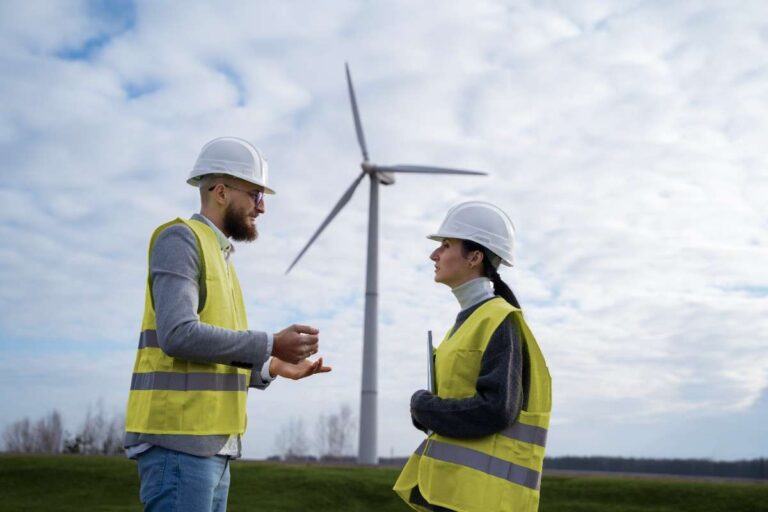
Net-zero commitments refer to the goal of reducing greenhouse gas emissions to a level where any remaining emissions are balanced by removal from the atmosphere. Governments and corporations around the world are setting ambitious net-zero targets as part of broader efforts to address climate change, accelerate decarbonisation and transition toward cleaner energy systems.
These commitments are rapidly reshaping the global industrial landscape. Organisations across energy, infrastructure and manufacturing are investing heavily in renewable energy generation, electrification, digital energy infrastructure and sustainable supply chains to meet their long-term emissions goals.
However, achieving these targets requires more than technology investments or policy frameworks. It requires a workforce capable of designing, building and operating the infrastructure that supports a low-carbon economy. This is where net zero workforce planning is emerging as a critical strategic priority for organisations undergoing energy and industrial transformation.
As companies accelerate investments in renewable energy, energy storage, smart grid infrastructure and sustainability analytics, the demand for specialised engineering and digital capabilities is rising rapidly. Many organisations are discovering that traditional talent pipelines are not prepared to support these emerging workforce requirements.
According to the International Renewable Energy Agency, global renewable energy employment has surpassed 13 million jobs, reflecting the rapid expansion of solar, wind and other clean energy technologies. This growth signals a broader shift in workforce demand as companies scale projects linked to decarbonisation and sustainable energy systems.
Insights from the India Decoding Jobs Report 2026 by Taggd highlight a similar trend across India’s core sectors. The report notes a rising demand for professionals with expertise in sustainability analytics, digital engineering and renewable energy operations as organisations pursue energy transition initiatives.
These developments are contributing to a widening green talent gap across industrial sectors. As organisations accelerate sustainability investments, net zero workforce planning is becoming essential for aligning hiring strategies, reskilling initiatives and long-term workforce transformation efforts with climate and energy transition goals.
For CHROs, this shift presents a new strategic challenge. Net-zero commitments are no longer only an environmental priority. They are increasingly shaping workforce strategy, influencing how organisations approach talent development, renewable energy talent acquisition and long-term industrial workforce transformation.
Net-Zero Commitments Are Reshaping Workforce Requirements
While net-zero commitments are often discussed in terms of policy targets and technological innovation, their real impact is being felt within organisational workforces.
As companies move from announcing sustainability goals to executing large-scale energy transition projects, the demand for new skills and capabilities is rising rapidly.
Net-zero targets are accelerating investment in technologies that are transforming the global energy ecosystem. Companies across energy, manufacturing and infrastructure are expanding projects related to renewable energy generation, battery storage, hydrogen infrastructure and smart grid technologies.
These developments are fundamentally reshaping workforce requirements.
Research from the International Energy Agency indicates that nearly 60 percent of energy companies report shortages of skilled technical professionals, particularly in areas related to digital systems, renewable energy technologies and advanced engineering capabilities.
Insights from the India Decoding Jobs Report 2026 by Taggd highlight a similar trend across India’s core sectors. Organisations are increasingly prioritising hiring for roles linked to renewable energy operations, sustainability analytics and digital energy management as they pursue decarbonisation and sustainability initiatives.
Workforce Skills Needed for the Energy Transition
The shift toward a low-carbon economy is creating demand for a new set of specialised workforce capabilities.
- Renewable energy engineering and project development to design and deploy solar, wind and hybrid energy infrastructure.
- Energy storage and battery technology expertise to support grid stability and renewable integration.
- Carbon management and emissions monitoring to track, measure and reduce organisational carbon footprints.
- Digital energy systems and smart grid technologies to enable data-driven management of modern energy infrastructure.
- Sustainability analytics and climate risk modelling to support strategic decision-making around environmental impact and regulatory compliance.
These capabilities are becoming essential for organisations pursuing net-zero commitments, making net zero workforce planning an increasingly important strategic priority. As the energy transition accelerates, building access to net zero workforce planning will play a critical role in determining how effectively companies can translate sustainability ambitions into operational outcomes.
While net-zero commitments are reshaping workforce requirements, many organisations are discovering that building these capabilities is far from straightforward.
The pace of investment in renewable energy, electrification and sustainability initiatives is accelerating faster than the talent pipeline can evolve, creating a widening gap between the skills companies need and the professionals available to fill these roles. So, now lets understand –
What Net-Zero Means for CHRO Workforce Strategy?

As net-zero commitments move from policy announcements to operational execution, workforce strategy is becoming a central part of organisational transformation. Energy transition initiatives require new capabilities across engineering, digital technologies, sustainability analytics and infrastructure development.
For CHROs, this shift introduces a new dimension to workforce planning. Net-zero targets require organisations to build capabilities that may not exist within traditional energy or industrial talent pipelines. At the same time, companies must continue operating existing infrastructure while developing the workforce needed for future energy systems.
This makes net zero workforce planning an increasingly strategic priority for organisations navigating the energy transition.
Several workforce priorities are emerging for CHROs.
Align Workforce Planning with Decarbonisation Roadmaps
Talent strategies must reflect long-term energy transition timelines, including renewable expansion, electrification programmes and sustainability initiatives. Access to talent intelligence and market mapping insights can help organisations understand where specialised green skills are emerging and how talent supply is evolving across energy ecosystems.
Balance Reskilling with Specialised Hiring
Organisations must invest in reskilling engineers and technical specialists while also recruiting new professionals with expertise in renewable systems, sustainability analytics and digital energy platforms. Scalable hiring approaches such as energy sector RPO models are increasingly helping enterprises manage this balance while supporting large infrastructure programmes.
Develop Cross-Disciplinary Capability
Modern energy operations require professionals who combine engineering knowledge with digital and analytical skills. Building these hybrid capabilities is becoming central to net zero workforce planning, particularly as organisations adopt smart grid technologies, automation systems and data-driven energy optimisation platforms.
Strengthen Long-Term Talent Pipelines
Workforce planning must expand beyond immediate hiring needs to include partnerships with universities, specialised training programmes and expanded global talent sourcing strategies. At the same time, organisations are strengthening employer branding and talent marketing initiatives to attract professionals interested in sustainability-driven careers.
Build Leadership Capability for the Energy Transition
Beyond technical roles, organisations also need leaders capable of navigating complex sustainability challenges, regulatory frameworks and long-term decarbonisation strategies. Strengthening leadership hiring and succession pipelines is becoming an important component of workforce readiness for the energy transition.
For CHROs across the energy ecosystem, workforce strategy is increasingly becoming a key enabler of decarbonisation goals. Organisations that integrate net zero workforce planning, talent intelligence and scalable hiring models into their sustainability strategy will be better positioned to build the capabilities required for the energy transition.
While the net-zero transition is reshaping workforce requirements across the energy ecosystem, the nature of talent challenges varies significantly across sub-sectors.
Net-Zero Workforce Challenges Across Energy Sub-Industries
Each segment of the industry faces distinct capability gaps depending on infrastructure complexity, technology adoption and project timelines. So, lets understand how these differences is essential for effective net zero workforce planning.
| Energy Sub-Sector | Net-Zero Workforce Challenges |
| Power Generation | • Reskilling engineers from thermal generation to renewable integration • Growing demand for digital plant operations and predictive maintenance expertise • Aging workforce in conventional energy infrastructure |
| Renewable Energy | • Shortage of engineers experienced in large-scale solar and wind project execution • Limited availability of specialists in renewable grid integration • Rapid project expansion creating short-term hiring spikes |
| Oil & Gas | • Transition pressure to develop low-carbon energy capabilities • Need for engineers with expertise in carbon capture, hydrogen and energy optimisation • Workforce redeployment from traditional hydrocarbon operations |
| Transmission & Utilities | • Demand for engineers capable of managing smart grid technologies • Increasing need for cybersecurity professionals protecting grid infrastructure • Limited availability of digital grid analytics expertise |
| EPC & Energy Infrastructure | • Large-scale renewable infrastructure projects creating workforce scaling challenges • Shortage of specialists in digital construction technologies and project analytics • Project-based hiring volatility across geographies |
| Battery & Energy Storage | • Limited talent with expertise in battery technology and grid storage systems • Rapid innovation cycles increasing demand for R&D specialists • Competition with electric mobility and technology sectors for talent |
| Hydrogen & Emerging Energy | • Early-stage talent markets with limited experienced professionals • Need for engineers skilled in electrolysis systems and hydrogen infrastructure • Uncertainty around future skill requirements and workforce planning |
Across these sub-sectors, a consistent pattern is emerging. Organisations are increasingly competing for professionals who can operate at the intersection of engineering, sustainability and digital technologies.
For CHROs, this makes net zero workforce planning more complex. Talent strategies must account not only for overall energy transition trends but also for the specific workforce dynamics shaping each segment of the energy industry.
How Net-Zero Transition Is Creating a Global Green Skills Gap?
While investment in clean energy technologies is accelerating, the supply of skilled professionals is struggling to keep pace. As organisations expand renewable energy projects, electrification initiatives and sustainability programmes, the demand for specialised engineering, digital and sustainability talent is rising rapidly across industries.
Workforce research from the International Renewable Energy Agency shows that renewable energy employment continues to expand globally, increasing the need for engineers, technicians and digital specialists capable of supporting the energy transition.
At the same time, insights from the India Decoding Jobs Report 2026 by Taggd highlight that organisations across India’s industrial ecosystem are increasingly seeking professionals capable of managing sustainability frameworks, carbon accounting systems and renewable infrastructure projects.
As companies pursue net-zero commitments, several roles are emerging as particularly difficult to hire.
Roles experiencing the greatest talent shortages
Renewable energy engineers responsible for designing and managing solar, wind and hybrid energy projects.
Grid modernisation specialists who can integrate renewable energy into existing power networks.
Energy data scientists analysing large datasets to optimise energy production, consumption and efficiency.
Carbon management experts focused on emissions monitoring, reporting and reduction strategies.
Sustainability analysts supporting organisations in measuring environmental impact and aligning with regulatory frameworks.
This growing shortage of specialised professionals is creating a significant net zero talent gap, particularly for organisations expanding renewable infrastructure and implementing large-scale energy transition programmes.
Why is Workforce Planning Becoming More Complex for CHROs?
While the growing green skills gap highlights the shortage of specialised talent, it also exposes a deeper challenge for organisations. Building the workforce required for the net-zero transition is not simply about hiring new specialists. It requires a fundamental rethink of workforce planning strategies.
Achieving net-zero targets requires organisations to transform both technology infrastructure and workforce capabilities, making net zero workforce planning central to long-term organisational strategy. As companies invest in renewable energy systems, digital energy platforms and sustainability frameworks, the skills required across the workforce are evolving rapidly.
For CHROs, workforce planning now involves balancing multiple priorities simultaneously. Organisations must recruit talent capable of managing emerging energy technologies while also reskilling employees working in traditional energy operations.
Insights from the India Decoding Jobs Report 2026 by Taggd indicate that companies across India’s energy, infrastructure and manufacturing sectors are increasingly investing in workforce transformation initiatives to prepare employees for sustainability-driven operations.
Key workforce planning challenges
Reskilling employees for renewable energy operations
Many organisations must retrain engineers and technicians who previously worked on traditional energy systems to support renewable energy technologies.
Hiring sustainability and carbon management specialists
Companies are building new teams responsible for monitoring emissions, managing sustainability frameworks and ensuring regulatory compliance.
Managing workforce transitions across traditional and emerging energy systems
As industries shift toward cleaner energy sources, organisations must carefully manage workforce redeployment and skill transitions.
Ensuring talent availability for large renewable infrastructure projects
Major solar, wind and grid modernisation projects require specialised talent that may not be readily available in traditional hiring markets.
These challenges are making net zero workforce planning a strategic priority for organisations across the energy ecosystem.
Competition for Green Talent Is Intensifying Across Industries
As organisations strengthen workforce planning strategies to support sustainability initiatives, another challenge is becoming increasingly visible. The demand for green skills is no longer limited to energy companies alone.
Organisations across manufacturing, automotive, infrastructure and technology sectors are investing heavily in sustainability initiatives, electrification and clean energy infrastructure. This shift has significantly expanded the competitive landscape for professionals with expertise in renewable energy systems, sustainability analytics and energy optimisation technologies.
Insights from the India Decoding Jobs Report 2026 by Taggd highlight that demand for sustainability professionals and digital energy specialists is increasing rapidly across multiple industries in India’s industrial ecosystem.
As a result, organisations pursuing net-zero commitments must compete for talent in an increasingly constrained labour market. Engineers, sustainability analysts and energy technology specialists now have opportunities across multiple industries, making it more challenging for companies to secure the expertise required to support their energy transition strategies.
For CHROs navigating this environment, attracting and retaining specialised talent has become a critical component of long-term net zero workforce planning.
Why Traditional Workforce Planning Models Are No Longer Enough?
As competition for green talent intensifies, many organisations are discovering that traditional workforce planning approaches are no longer sufficient to support the demands of the net-zero transition.
Historically, workforce planning in the energy and industrial sectors relied on predictable engineering pipelines and long-term infrastructure projects. Companies could depend on steady talent inflows from engineering institutions and regional hiring markets to support large-scale industrial operations.
However, the transition toward net-zero emissions requires a far more dynamic approach to workforce strategy, reinforcing the importance of net zero workforce planning. As organisations expand renewable energy infrastructure, modernise energy systems and integrate digital technologies, workforce requirements are evolving rapidly.
Organisations must now plan for workforce requirements across several complex dimensions.
Multiple geographies
Talent availability varies significantly across regions, requiring organisations to expand hiring beyond traditional locations.
Specialised green skill markets
Expertise in renewable energy systems, sustainability analytics and carbon management is often concentrated in emerging talent hubs.
Project-based renewable infrastructure expansion
Large-scale solar, wind and grid modernisation projects frequently require rapid workforce scaling.
Hybrid engineering and digital capabilities
Modern energy systems require professionals who combine engineering expertise with digital skills such as data analytics, automation and AI.
Traditional recruitment models often lack the data insights, specialised sourcing networks and scalable hiring infrastructure required to manage this complexity.
As a result, many organisations are exploring more strategic hiring approaches such as energy sector RPO, AI recruitment and specialised talent partnerships that enable companies to build stronger pipelines for emerging sustainability and energy transition roles.
How CHROs Can Build Net-Zero Talent Pipelines?
As organisations accelerate their sustainability commitments, building the workforce required for the energy transition is becoming a strategic leadership priority. Net-zero targets are not only driving technology investments but also reshaping how companies approach talent strategy, capability development and long-term workforce planning.
For CHROs, building sustainable talent pipelines requires a more structured approach that combines workforce development, external partnerships and expanded access to emerging skill markets.
Several strategic priorities are emerging as organisations strengthen their net zero workforce planning initiatives.
Build Green Talent Partnerships with Universities
Many organisations are strengthening collaboration with universities and technical institutions to develop talent pipelines aligned with the needs of the energy transition.
Partnerships focused on renewable engineering, sustainability analytics and digital energy systems can help organisations access early-stage talent while shaping future curriculum around emerging industry requirements.
Invest in Workforce Reskilling
Workforce reskilling is becoming essential as companies transition from traditional energy operations to renewable and digitally enabled systems.
Organisations are increasingly investing in programmes that equip engineers and technical specialists with capabilities in areas such as energy analytics, automation platforms, carbon management and digital grid technologies.
These initiatives help companies preserve critical operational expertise while building new capabilities required for low-carbon energy systems.
Expand Digital Hiring Networks
Green and digital capabilities are often concentrated in specific innovation ecosystems. Expanding hiring networks beyond traditional industrial locations helps organisations access specialised skill pools.
Many companies are increasingly sourcing talent from technology hubs, Global Capability Center ecosystems and emerging engineering clusters where digital engineering and sustainability expertise are growing rapidly.
Develop Sustainability Leadership Capability
Beyond technical roles, organisations also need leaders capable of driving sustainability transformation across operations, strategy and governance.
Building leadership capability in areas such as climate risk management, energy transition strategy and sustainability reporting is becoming an important component of long-term workforce planning.
Enabling Net-Zero Hiring Through AI-Powered RPO
As these workforce strategies expand, many organisations are also exploring more scalable hiring models to support complex talent requirements across renewable infrastructure and sustainability programmes.
AI-powered Recruitment Process Outsourcing solutions and advanced RPO hiring models are increasingly helping organisations strengthen energy sector hiring and access specialised talent markets linked to the energy transition workforce.
By combining talent intelligence, specialised sourcing networks and scalable recruitment delivery models, AI-driven RPO hiring enables organisations to:
• identify emerging green talent markets
• access specialised sustainability and renewable engineering professionals
• accelerate hiring for large infrastructure and energy transition projects
• build flexible recruitment capacity aligned with evolving workforce needs
For organisations navigating the growing green skills gap, these capabilities can play an important role in strengthening talent pipelines and supporting long-term industrial workforce transformation.
By integrating workforce strategy with scalable hiring models, organisations are better positioned to build the specialised talent required for the net-zero economy.
Wrapping Up
The transition toward net-zero emissions represents one of the most significant transformations facing the global energy and industrial sectors. Organisations are rapidly investing in renewable energy, electrification and digital infrastructure to support sustainability goals.
However, achieving these ambitions requires more than technological innovation. Workforce capability will ultimately determine how effectively companies can implement energy transition strategies and scale sustainable operations.
For CHROs, the challenge of net zero workforce planning requires a proactive approach to hiring, workforce transformation and long-term talent strategy. Organisations must build capabilities across renewable engineering, sustainability analytics, digital energy systems and carbon management while also reskilling existing employees.
Companies that successfully align workforce planning with sustainability priorities will be better positioned to navigate the complexities of the energy transition and lead the shift toward a low-carbon economy.
FAQs
What is net zero workforce planning?
Net zero workforce planning involves aligning talent strategies with sustainability goals by building skills in renewable energy, carbon management, digital energy systems and sustainability analytics needed to support decarbonisation initiatives.
Why are net-zero targets affecting workforce strategy?
Net-zero targets require organisations to adopt new technologies and sustainability frameworks, increasing demand for specialised skills and forcing companies to rethink hiring, reskilling and long-term workforce planning strategies.
What skills are required for the energy transition workforce?
The energy transition workforce requires expertise in renewable energy engineering, energy storage systems, sustainability analytics, carbon management, digital grid technologies and data-driven energy optimisation capabilities.
Why is there a green skills gap in the energy sector?
The green skills gap exists because investments in renewable energy and sustainability initiatives are expanding faster than the talent pipeline capable of supporting these emerging technologies and operational requirements.
How can organisations prepare their workforce for net-zero targets?
Organisations can prepare their workforce through strategic hiring, reskilling programmes, workforce transformation initiatives and talent partnerships that help access specialised sustainability and renewable energy talent.
Achieving net-zero targets requires more than investments in clean technologies. Net zero workforce planning will ultimately determine whether organisations can build the talent capability required for long-term sustainability transformation. It also requires organisations to build the workforce capable of designing, operating and scaling sustainable energy systems.
As companies expand renewable infrastructure and sustainability initiatives, many are adopting more strategic hiring approaches to address emerging talent gaps. Access to specialised skill markets, stronger talent intelligence and scalable hiring models is becoming essential for organisations navigating the energy transition.
This is where strategic talent partnerships can play a critical role. With AI-driven recruitment capabilities, industry expertise and scalable delivery models, partners help enterprises strengthen energy sector hiring strategies and build the workforce required for long-term sustainability transformation.
Explore how Taggd supports enterprises through AI-powered RPO hiring, talent intelligence and scalable recruitment models designed for complex industries and evolving workforce needs.