
Modern Executive Recruitment in India refers to a structured, intelligence-led approach to identifying, assessing, and onboarding senior leaders for complex business environments. It goes beyond traditional networking by combining market mapping, passive talent sourcing, rigorous leadership assessment, and strategic onboarding. Designed for scale and complexity, it aligns leadership hiring with long-term business goals, organisational culture, and India’s evolving market realities. The focus is on building leadership capability, not just filling senior roles.
Hiring for the C-suite has become one of the most consequential decisions Indian organisations make today. Senior leaders are no longer expected to manage stability alone. They are required to drive transformation, navigate uncertainty, and build resilience across rapidly changing markets.
India’s executive hiring landscape has shifted significantly over the past few years. Accelerated digital adoption, global expansion of Indian enterprises, and increasing exposure to geopolitical and economic volatility have raised the bar for leadership capability. Organisations now compete for a narrow pool of executives who can combine strategic vision, operational depth, and contextual understanding of the Indian market.
At the same time, the most effective leaders are rarely active job seekers. This makes traditional, reactive hiring approaches ineffective for senior roles. Executive recruitment today demands proactive market intelligence, disciplined assessment, and a long-term view of leadership impact.
As a result, executive recruitment in India has evolved into a specialised, high-stakes discipline. One that requires clarity of leadership outcomes, precision in sourcing and evaluation, and continuity from search through onboarding. Understanding this modern approach is essential for organisations aiming to secure leadership that can deliver sustained growth and long-term value.
Why Executive Recruitment in India Has Changed?

The entire landscape for hiring senior leaders in India has shifted. The days when a strong network and a well-placed ad were enough to attract top-tier talent are long gone. The forces driving this change are coming from all directions, creating a far more complex and competitive environment than ever before.
Rapid digital transformation is right at the centre of this evolution. Companies aren’t just looking for experienced managers anymore. They need visionaries who truly understand artificial intelligence, data analytics, and the entire digital ecosystem. This has created a fierce demand for executives who can drive innovation and weave technology into every part of the business, not just keep it siloed in the IT department.
The Intensifying War for Talent
At the same time, the competition for these high-calibre leaders is hotter than ever. As Indian companies expand their global footprint and multinational corporations dig deeper roots here, the pool of qualified executives is being stretched incredibly thin. This isn’t just about finding someone with the right skills on their CV. It’s about finding that rare individual who can manage complex global supply chains, navigate tricky geopolitical situations, and build truly resilient organisations.
The broader Indian recruitment industry reflects this intensity. We’re looking at projections of around 500,000 new job opportunities across key sectors by 2026, with overall hiring intent expected to jump by 19% from 2024. The demand is especially sharp in specialised tech roles, where a surge of 30-35% is predicted. This market-wide pressure has a massive knock-on effect on executive recruitment, as companies scramble to find leaders who can steer the ship through these disruptive times. You can explore more insights on India’s recruitment outlook from Recruitment Entrepreneur.
The old method of posting a job and waiting for applications is obsolete for C-suite roles. The real challenge is identifying and engaging exceptional leaders who are already successful and not actively looking for a change.
Ditching the Outdated Playbook
Smart Indian companies know their old hiring methods are falling short. They are ditching the traditional, reactive approaches and adopting a more strategic, data-driven framework.
This modern playbook is all about:
- Proactive Sourcing: Instead of waiting for candidates to come to them, firms are actively building talent pipelines. They’re mapping the market to spot high-potential individuals long before a role even opens up.
- Data-Driven Assessment: Gut feelings are out. Rigorous evaluation methods are in. This means using behavioural interviews, psychometric testing, and situational case studies to get a much more accurate prediction of on-the-job performance.
- Focus on Future Competencies: The emphasis is shifting from just looking at past experience to focusing on future potential. Companies are now hiring for adaptability, learning agility, and the ability to lead through ambiguity.
This is a whole new ball game. Securing the right executive is a critical investment in your company’s long-term health and its ability to thrive. Winning this high-stakes talent war demands a deliberate, sophisticated, and forward-thinking approach.
Building a Winning Leadership Profile

Before you even think about contacting a single candidate, the real work of executive recruitment has to happen. It’s all about getting crystal clear on the leader you need, not just for today, but for where your company is headed in the next five years.
Forget the standard job description. To get this right, you need a comprehensive leadership profile, sometimes called an executive scorecard. This detailed blueprint defines the core competencies, leadership style, and cultural fit that separate an okay hire from a truly game-changing one. It forces everyone involved to move past vague ideas and agree on the specific, measurable traits that will actually drive success.
Moving Beyond the Job Description
A typical job description is just a list of responsibilities and qualifications. An executive scorecard, on the other hand, answers a far more powerful question: what must this person achieve in their first 18-24 months to be considered a home run?
Let’s play out a common scenario. A company needs a new Chief Financial Officer. The standard approach is to look for someone with 15 years of experience in the same industry. But a more strategic approach defines the outcomes needed, like leading a digital finance transformation or securing a fresh round of funding for global expansion.
Suddenly, your ideal candidate might come from a completely different industry but have undeniable expertise in transformation and fundraising. This simple shift in perspective is everything. You’re no longer just filling a vacancy; you’re hiring for strategic growth.
A well-crafted leadership profile is your search’s North Star. It guides every decision, from sourcing to assessment, ensuring everyone involved is aligned on what a ‘winning’ candidate truly looks like.
Defining Core Competencies and Leadership DNA
Once your strategic goals for the role are set, it’s time to break down the specific skills and traits required. This is where you get granular about both the “what” and the “how.”
- Core Competencies: These are the hard skills. For a Chief Technology Officer, this could mean deep experience with cloud architecture or AI implementation.
- Leadership DNA: This is all about their style. Are they a wartime or peacetime leader? Do they lead from the front, or do they build consensus from within? It’s about how they get things done.
- Cultural Alignment: This is critical. How will their values and work style mesh with your organisation’s? A leader who thrives in a fast-paced, agile environment might flounder in a more traditional, process-driven company.
Aligning the Profile with Indian Market Realities
Crafting this profile also means having a sharp awareness of the current business climate in India. Leadership hiring here is changing fast, with a new focus on resilience, succession planning, and tech adaptability.
Companies are scrambling for executives who can navigate crises and ensure business continuity. This has fueled demand for tech-savvy leaders in roles like Chief Digital Officer and Chief AI Officer, who can drive innovation beyond the IT department. As Indian conglomerates expand globally, leaders with both international exposure and deep local insights are worth their weight in gold. You can get more details on these trends from this analysis by Prompt Personnel.
The rise of these new executive roles demands a fresh look at the competencies you prioritise. It’s no longer just about the traditional C-suite skills.
The competencies required for modern leadership are evolving beyond the conventional. We’re seeing a clear shift towards skills that enable leaders to navigate complexity and drive technological integration.
Key Competencies for Modern Executive Roles in India
| Competency Area | Description | Example Roles |
| Digital Acumen | The ability to understand and apply technology to solve business problems and drive growth. | Chief Digital Officer, CIO |
| Resilience | The capacity to lead effectively through volatility, uncertainty, complexity, and ambiguity (VUCA). | CEO, COO, Chief Supply Chain Officer |
| Global Mindset | Experience managing cross-cultural teams and navigating international markets and regulations. | Head of International Business |
| Change Leadership | The skill to successfully champion and implement large-scale organisational transformations. | Chief Transformation Officer |
This table highlights just a few of the critical areas where today’s leaders need to excel. A deep understanding of these competencies is key to building a relevant and effective leadership profile.
By meticulously building this winning profile from the start, you create a rock-solid foundation for your entire executive search. It cuts through the noise, aligns stakeholders, and dramatically increases your chances of finding a leader who won’t just fit in, but will propel your organisation forward.
Sourcing Top Talent That Isn’t Looking
Let’s be honest: the most impactful executives are almost never actively job hunting. They’re too busy driving results in their current roles, which makes them practically invisible to traditional recruitment methods. This is the core challenge of modern executive search. You can’t just post a job and hope for the best; you have to proactively find and engage these high-performing, passive candidates.
This means shifting your entire mindset from reactive to proactive. It’s less about filling a vacancy and more about deep market intelligence, strategic networking, and a sophisticated, confidential approach. The goal isn’t just to find available talent, but to map the entire talent landscape and identify the true A-players in your industry, long before a need becomes urgent.
The Power of Predictive Sourcing
Modern executive search isn’t just about looking at a candidate’s CV. It’s about analysing career trajectories and performance data to predict who is ready for their next big move.
Is a high-performing VP consistently smashing targets? Has a division head successfully turned around a struggling business unit? These are the signals that an executive might be open to a new, more significant role, even if they haven’t touched their CV in years.
This infographic highlights just how crucial structured interview skills are when you’re assessing these kinds of candidates.
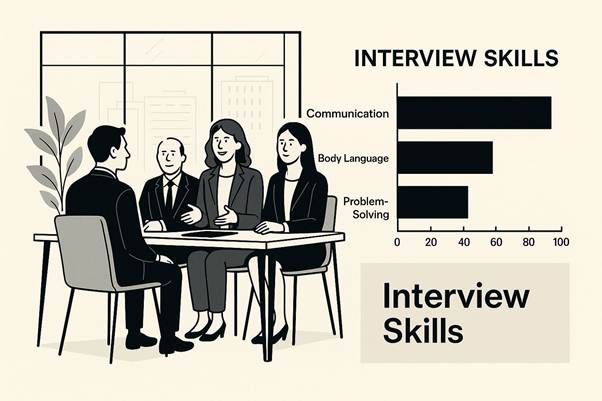
As the visual shows, once you’ve found a promising passive candidate, having a robust assessment process is absolutely critical to confirm they have what it takes.
Artificial intelligence (AI) is giving these efforts a serious boost, especially within the Indian market. In 2026, the best executive search firms are using AI-powered tools to scan enormous datasets, from LinkedIn to private databases and industry networks, to spot these high-potential leaders. This tech dramatically cuts down the time spent on manual searches.
AI is also brilliant at identifying passive candidates by analysing career paths and market shifts, giving firms a real competitive edge. This data-driven strategy makes executive placements far more accurate, helping companies land the talent they need to thrive.
Mastering Confidential and Compelling Outreach
Once you’ve identified a potential leader, the way you make that first contact is everything. Remember, these are not active job seekers; a generic LinkedIn message will be deleted in a second.
Effective outreach needs to be:
- Highly Personalised: It must show you’ve actually done your homework on their career, their achievements, and what might truly motivate them.
- Discreet and Confidential: It has to respect their current role and guarantee absolute privacy.
- Value-Oriented: The opportunity needs to be framed as a career-defining move that aligns with their professional ambitions, not just another job offer.
The aim is simply to start a conversation, not to sell a job. It’s a subtle but vital difference focused on building a relationship and exploring a potential fit. For anyone looking to refine their strategy, it’s worth exploring the different ways Taggd helps in recruiting passive candidates.
The initial outreach to a passive executive isn’t a recruitment pitch; it’s a strategic consultation. You are offering them a glimpse into a future they may not have considered for themselves yet.
The evolution from older, more limited methods to this new, tech-enabled approach is stark.
Modern vs Traditional Executive Sourcing Methods
The game has changed. Here’s a quick look at how the old ways stack up against the new.
| Aspect | Traditional Sourcing | Modern Sourcing |
| Mindset | Reactive (fills open roles) | Proactive (builds talent pipelines) |
| Primary Tools | Job boards, existing database, personal rolodex | AI-powered platforms, market intelligence tools, social network analysis |
| Candidate Pool | Mostly active job seekers | Primarily passive, high-performing candidates |
| Outreach Method | Standardised job descriptions and emails | Highly personalised, confidential, and value-focused outreach |
| Intelligence | Relies on public information (CVs, profiles) | Uses predictive analytics and “back-channel” network intelligence |
| Speed | Can be slow and labour-intensive | Faster identification through technology, but relationship-building takes time |
Ultimately, modern sourcing combines the best of technology and human insight for a far more strategic and effective result.
Building and Leveraging Exclusive Networks
While technology is a fantastic tool, the human element in executive search is irreplaceable. The best search partners spend years cultivating deep, trusted networks within specific industries. These connections provide access to off-market intelligence and invaluable “back-channel” references that give you a much more honest picture of a candidate’s leadership style and real-world performance than formal references ever could.
This is the result of years of relationship-building with industry leaders, board members, and rising stars. When a search kicks off, these trusted contacts can offer discreet referrals and insights you simply can’t find through public sources. It’s this powerful combination of high-tech data analysis and high-touch human intelligence that truly sets a world-class sourcing strategy apart, ensuring you don’t just find qualified candidates, but the right leader for your organisation.
Assessment Process for Executive Recruitment
Once you’ve narrowed it down to a shortlist of high-calibre candidates, you’ve reached the most critical phase of executive recruitment: the assessment. This is where you have to look past the impressive CVs and compelling conversations to rigorously test a candidate’s real leadership abilities.
For a C-level role, a superficial interview process just won’t cut it. You need a multi-faceted approach to get a genuine, 360-degree view of who they are and what they can do.
The goal here is to simulate the real-world pressures and challenges the new executive will actually face. By designing a process that mirrors the job’s demands, you can see how candidates think, problem-solve, and lead in action, not just how they talk about it.
Designing a Multi-Layered Evaluation
A proper C-level assessment goes way beyond asking standard questions. It involves a carefully orchestrated series of interactions and practical exercises designed to test different competencies. Think of it as building a complete picture, piece by piece, rather than relying on a single snapshot from one or two interviews.
A strong, multi-layered approach should blend a few key techniques:
- Behavioural Deep-Dives: These interviews are all about using past performance to predict future success. Instead of asking hypothetical “what would you do if…” questions, you drill down into specific, real-life examples of how they handled complex situations, led teams through major changes, or resolved high-stakes conflicts.
- Situational Case Studies: Present your candidates with a real, anonymised business problem your company is currently grappling with. Their task isn’t just to come up with a solution. You want them to walk you through their entire thought process, how they’d gather data, who they’d talk to, and how they would get key stakeholders on board with their proposed plan.
- Leadership-Focused Psychometric Assessments: These tools offer objective, data-backed insights into a candidate’s personality, core leadership style, and cognitive abilities. They’re fantastic for uncovering potential derailers or hidden strengths that might not surface in a typical interview.
When you combine these methods, you build a rich, detailed dataset on each candidate. This allows for a much more informed and far less biased final decision.
The best assessment processes don’t just ask candidates what they would do; they create environments where candidates must show what they would do. It’s the difference between asking a pilot if they can fly and putting them in a flight simulator.
The Crucial Role of Back-Channel Referencing
Formal, pre-approved references are a good starting point, but let’s be honest, they rarely provide the full story. This is where back-channel referencing comes in. It’s the art of speaking to former colleagues, managers, and direct reports who aren’t on the candidate’s official reference list. This is how you get the unfiltered, candid insights.
This isn’t about digging for dirt. It’s about validating the claims a candidate made during the interview process and getting a better feel for the nuances of their leadership style. For instance, you might learn how a candidate truly behaves under intense pressure or how they mentor junior talent when the boss isn’t looking. These conversations are invaluable for assessing cultural fit, a key component you can learn more about in our guide on the best practices for assessing and hiring a culture fit candidate.
Of course, these informal checks require a great deal of discretion. They must be handled by an experienced search partner to maintain confidentiality and professionalism at all times.
Structuring Your Selection Committee for Objectivity
Bias, both conscious and unconscious, is one of the biggest risks in any hiring process, especially at the executive level. Your best defence is to structure your selection committee thoughtfully. A well-designed committee ensures multiple perspectives are considered, leading to a more balanced and data-backed decision.
Here are a few tips for getting it right:
- Ensure Diversity: Your committee should include a diverse group of stakeholders from different departments, backgrounds, and levels of seniority. This variety of viewpoints will help challenge assumptions and lead to a more holistic evaluation.
- Define Roles Clearly: Don’t have everyone asking the same questions. Each member should have a specific area of focus. One person might concentrate on technical expertise, another on cultural alignment, and a third on long-term leadership potential.
- Use a Scorecard: Arm your committee with a standardised scorecard based on the leadership profile you built at the start. This simple tool forces everyone to evaluate candidates against the same objective criteria, rather than just relying on “gut feeling.”
Ultimately, an airtight assessment is systematic, rigorous, and evidence-based. It definitely requires more effort upfront, but it significantly de-risks what is one of the most important investments your company will ever make. By moving past traditional interviews and embracing a more complete evaluation framework, you dramatically increase the odds of hiring a leader who will not just succeed, but truly thrive.
Onboarding Executives for Lasting Impact
Getting that signed offer letter might feel like crossing the finish line, but when you’re hiring an executive, it’s really just the start of the most important race. The first 90 days are make-or-break. A clumsy or unsupported onboarding can completely undo months of careful searching, turning a huge investment into a costly mistake. A strategic onboarding plan isn’t a nice-to-have; it’s how you protect that investment.
This goes way beyond handing over a laptop and a phone directory. For a senior leader, onboarding is about fast-tracking their integration into the company’s strategic, political, and cultural DNA. The goal is to get them delivering real value as quickly as possible, making sure the momentum from the hiring process flows straight into their new role.
Crafting the Critical 90-Day Roadmap
A well-thought-out 90-day plan is the absolute cornerstone of a successful executive onboarding. This isn’t a simple orientation checklist. It’s a roadmap focused on three core areas: strategic immersion, stakeholder connection, and landing early wins.
Without this structure, new leaders often spend their first few months just trying to figure out which way is up. That uncertainty slows everything down. This plan should be a living document, built with the executive, that lays out clear priorities for their first three months. It’s their guide to truly understanding the business while showing their value right away.
A solid roadmap should include:
- Strategic Deep Dives: Dedicated sessions with the CEO, board members, and department heads. These are for getting under the skin of the company’s vision, financial standing, competitive pressures, and biggest headaches.
- Stakeholder Mapping and Meetings: A prioritised list of who they need to meet, both inside and outside the company. We’re talking direct reports, peers, major clients, investors, and even key industry players.
- Operational Immersion: Time spent where the real work happens. This could be a visit to a manufacturing site, listening in on customer service calls, or sitting in on a sales pitch.
The whole point of a 90-day plan isn’t to bury the new executive in meetings. It’s about giving them a clear, structured path to understanding the business. It turns what could be a chaotic transition into a period of focused learning and immediate contribution.
Setting Up Early Wins
Nothing builds credibility for a new executive faster than an early win. These are real, tangible achievements within the first 90 days that prove their value and reassure the entire organisation that they were the right choice.
These don’t need to be earth-shattering initiatives. They just need to be smart, achievable, and impactful.
For instance, a new Chief Marketing Officer could:
- Find and fix a major bottleneck in the lead generation pipeline.
- Launch a small but successful pilot campaign based on a fresh customer insight.
- Deliver a data-backed analysis that finally settles a long-running debate about marketing spend.
The trick is to align these potential wins with the core problems the executive was brought in to solve. This reinforces their purpose from day one and helps them gain immediate traction. For more ideas on creating a great start for any new hire, check out our 5 tips to deliver a smooth employee onboarding experience.
The Board’s Essential Role in the Transition
For C-suite roles, the board of directors has a vital part to play in onboarding, but it’s often overlooked. When the board gets involved, it sends a powerful message about the new leader’s importance and helps them integrate at the highest level.
This involvement can look like a few different things:
- A Formal Welcome: The board chair should personally welcome the new executive, making it clear they have the board’s full confidence and support.
- Clarifying Expectations: An early, candid conversation about the board’s expectations, how they like to communicate, and what success looks like is crucial for building a strong partnership.
- Providing Context: Board members often hold invaluable historical knowledge and strategic perspective that you just can’t find in a report.
This high-level engagement ensures the new executive is aligned with the company’s governance from the get-go. It cements the partnership between the management team and the board, setting a collaborative tone that’s absolutely essential for long-term success in any executive recruitment effort.
Common Questions About Executive Recruitment
Hiring for the C-suite is a different ball game altogether. The stakes are sky-high, and the process is far more complex than your everyday recruitment drive. It’s only natural for questions to pop up.
Let’s dive into some of the most common queries we hear from hiring managers and HR leaders across India. These aren’t just hypotheticals; they’re the real challenges that can make or break a senior-level search.
How Long Does The Executive Recruitment Process Take?
This is usually the first thing everyone wants to know. While there’s no fixed timeline, a typical C-level search in the Indian market will generally take somewhere between three to six months. This window covers the entire journey, right from defining the role to the new leader’s first day on the job.
A few things can stretch this timeline:
– Role Complexity: Searching for highly specialised or newly defined roles, like a Chief AI Officer, will naturally take more digging.
– Market Scarcity: If you’re after a leader with a very specific, rare blend of skills, the hunt will almost certainly take longer.
– International Candidates: When you’re considering leaders based overseas, relocation logistics and more complex negotiations can easily add weeks, if not months, to the process.
It’s always tempting to speed things up, but rushing an executive search often leads to expensive hiring mistakes. It’s far better to invest the time upfront to find someone who’s a genuine long-term fit.
What Is The Biggest Mistake Companies Make?
One of the most frequent and damaging mistakes we see is companies getting fixated on direct industry experience. They overlook the far more critical factors: core leadership competencies and cultural alignment. A candidate might look perfect on their CV, with decades in the same sector, but that’s never the full story.
The most dangerous assumption in executive recruitment is that past industry success automatically predicts future leadership performance in your unique environment. True potential lies in adaptability, resilience, and alignment with your company’s values.
How does a leader inspire their teams during tough times? Can they adapt to future challenges we can’t even predict yet? Do their personal values mesh with your company’s DNA? These are the questions that truly matter. An executive who doesn’t fit your culture or can’t adapt will do more harm than good, no matter how impressive their industry pedigree is.
Is It Better To Promote Internally Or Hire Externally?
This is the classic debate, and honestly, both paths have strong arguments. The right move really depends on your company’s immediate strategic goals and the strength of your internal talent pipeline.
An internal promotion can be a massive morale booster. It shows your people there’s a clear path for growth, rewards loyalty, and guarantees you have a leader who understands the company culture inside and out from day one.
On the other hand, an external hire can be just the jolt of energy a company needs. They bring fresh perspectives, new skills your organisation might be missing, and an outsider’s view on market challenges. If you’re pushing into a new market or steering through a major business transformation, an external leader with a proven track record in that exact scenario is often the smarter bet.
The best approach? A healthy balance. Your goal should be to continuously develop your internal stars while always being ready to bring in outside expertise when the situation calls for it.
At Taggd, we specialise in the nuances of executive recruitment, helping you navigate these complex decisions to find leaders who will drive lasting impact. Learn how our Recruitment Process Outsourcing solutions can build the foundation for your company’s future success.