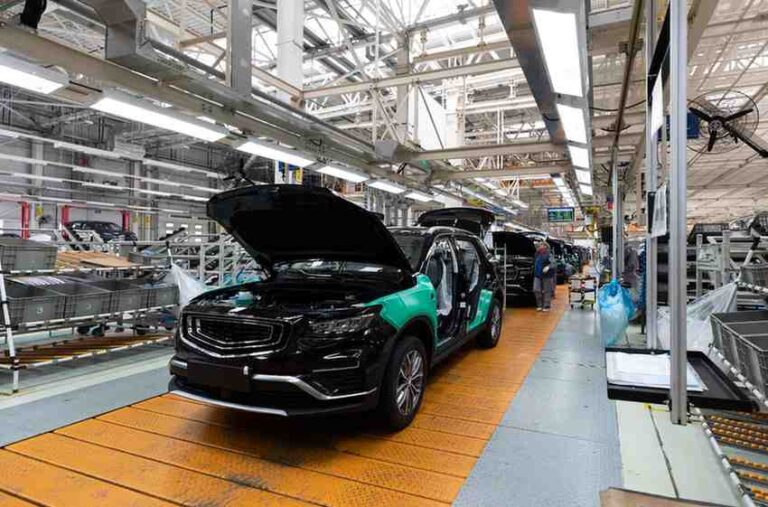
A CHRO at a large automotive OEM greenlit a new EV manufacturing plant. Six months into the project, timelines slipped, not because of capital shortfalls or technology gaps, but because qualified battery systems engineers simply did not exist in the target geography. Nobody had checked before the business case was approved.
That is a talent risk that automotive talent mapping would have caught before a single investment decision was made.
This article is written for CHROs, HR Directors, and Talent Acquisition Heads managing workforce strategy for OEMs navigating EV transformation, plant expansion, and engineering center growth.
According to McKinsey’s automotive talent research, the automotive industry faces a structural talent gap that demands a fundamental rethink of how organizations plan and acquire critical skills.
You will learn how to use talent mapping as a market intelligence function, not just a recruitment tool.
Why Most OEMs Start Hiring Too Late
Most automotive organizations begin hiring after the demand already exists. That is backwards. By the time a workforce requirement enters the recruitment pipeline, the window to secure rare talent has often closed. Automotive talent mapping shifts the planning horizon from reactive to predictive, months before a vacancy is ever created.
Traditional hiring starts with a vacancy. A position opens. A JD is written. Sourcing begins. At this point, your competitors may have already approached the same five candidates, offered them roles, and closed the pipeline.
For standard roles, that lag is manageable. For specialized automotive functions- EV powertrain engineers, battery management system architects, embedded systems leads, or plant heads with Industry 4.0 experience, it is not.
The talent pool for these functions is finite. It is geographically concentrated. And it is being aggressively targeted by OEMs, Tier 1 suppliers, and EV startups simultaneously.
Here is the mistake most organizations make: they treat hiring as a downstream function of business planning. Headcount approvals come after business cases are approved. By the time recruitment begins, the project is already underway and the pressure is already on.
If your hiring process starts when someone resigns, you are already late. In automotive, you may be six to eighteen months late for the profiles that actually matter.
The Talent Shortages That Are Already Here and Predictable
The automotive sector is experiencing structural skill shortages across EV engineering, battery manufacturing, embedded systems, and manufacturing leadership. These shortages are not surprises; they are entirely predictable through automotive talent mapping intelligence, and ignoring them is a strategic risk.
The World Economic Forum’s Future of Jobs Report 2023 identifies automotive electrification and green technology as among the fastest-growing areas of global skill demand. The challenge is that educational pipelines have not kept pace with industry transformation.
EV Engineering and Battery Talent
The demand for EV engineers, covering powertrain systems, battery management, thermal management, and charging infrastructure has outpaced supply for five consecutive years. Battery manufacturing specialists, particularly those with cell chemistry and pack assembly experience, are among the scarcest profiles in the global automotive talent market.
Recent industry signals make this concrete. German auto supplier Aumovio announced plans to cut up to 4,000 jobs in early 2026 while simultaneously pivoting to EV-specific manufacturing roles. This signals a dramatic skill shift happening within workforce reduction cycles- ICE-era talent is being released while EV-era talent remains critically short.
An automotive talent mapping exercise conducted before a new EV gigafactory launch would reveal:
- How many qualified battery engineers exist within a defined radius of the proposed plant site
- What percentage are currently employed versus passively open to opportunity
- Which competitors hold the deepest concentration of this talent
- What compensation benchmarks look like at each experience band
- How long it will realistically take to build a full team from this pool
Without this intelligence, you are committing capital to a location without understanding whether you can staff it.
Manufacturing Leadership and Plant Operations
Plant heads, manufacturing directors, and quality engineering leaders with Industry 4.0 exposure are equally scarce. The combination of traditional lean manufacturing expertise with smart factory, IoT, and automation system literacy is rare. These profiles take 12 to 24 months to acquire on average. That estimate assumes you have already identified where they are and started building relationships, which most organizations have not.
Embedded systems engineers, automation specialists, and functional safety experts certified under ISO 26262 represent another critical shortage band. These are not roles you can source in four weeks regardless of how well-resourced your TA team is.
What Automotive Talent Mapping Actually Answers
Automotive talent mapping is market intelligence for workforce decisions. It answers five questions that no job posting can answer: Does the talent exist? Where is it located? What will it cost to hire? Who currently employs it? And how long will hiring realistically take? These answers shape strategy, not just recruitment plans.
When Taggd conducts talent mapping for automotive clients, the output is not a shortlist. It is a strategic intelligence brief built around decision-grade data.
| Strategic Question | What Talent Mapping Delivers |
|---|---|
| Does the talent exist? | Pool size by skill, geography, and seniority level |
| Where is it located? | City-level and corridor-level talent concentration data |
| What will it cost? | Compensation benchmarks across fixed, variable, and long-term incentive components |
| Who employs it today? | Competitor talent inventory and employer concentration analysis |
| How long will hiring take? | Time-to-hire estimates validated against pool depth and competition intensity |
| Which skills are becoming scarce? | Trend data on skill velocity and market saturation by function |
This is a fundamentally different output from a recruitment report. It is intelligence that belongs in a business planning meeting, not just a hiring review.
Talent Mapping as a Business Planning Tool, Not a Recruitment Tool
The highest-value application of automotive talent mapping is not recruitment support; it is business planning. OEMs use talent intelligence to validate plant locations, de-risk EV program launches, time expansion decisions, and identify succession risks before they become operational crises. HR leaders who position talent mapping this way earn a seat at the strategy table.
This is the conversation that needs to change at the executive level. Talent mapping should sit alongside financial modeling and market feasibility analysis when evaluating any major business commitment.
Plant expansion decisions: Before committing to a manufacturing location, map the talent available within commutable distance. If battery engineers, automation specialists, and experienced plant managers do not exist in that corridor, the facility will face chronic understaffing from day one. No amount of compensation premium fully compensates for a structurally thin talent market.
EV transformation programs: A transition from ICE to EV manufacturing requires a completely different engineering and operations skill base. Automotive talent mapping quantifies the retraining opportunity versus the external hiring requirement- a key input to workforce transformation budgets and timelines.
New product launches: Next-generation connected vehicle programs require embedded software engineers, cybersecurity specialists, ADAS integration experts, and V2X systems architects. Talent mapping tells you whether to hire, partner, or pursue capability acquisition, before the program schedule is locked.
Leadership succession planning: In automotive manufacturing, losing a plant head or engineering director without a ready successor carries operational consequences that go well beyond temporary productivity loss. Automotive talent mapping applied to succession planning identifies both internal capability gaps and external pipeline depth simultaneously giving CHROs actionable intelligence on both tracks.
Market expansion and localization: When entering a new geography, talent availability is as critical as market size. Mapping the engineering, operations, and leadership talent ecosystem in a new market is the first step in any credible expansion plan.
Check Out: RPO Services for Enterprise Hiring: How Taggd Delivers Guaranteed Hiring Outcomes
The Data Layers Behind Smarter Automotive Workforce Decisions
Effective automotive talent mapping is built on four data layers: talent pool intelligence, competitive benchmarking, compensation analytics, and skill velocity tracking. Together, these layers give HR leaders a current, continuously updated view of the talent market that no internal team can replicate alone.
Competitive Benchmarking
Which organizations are hiring aggressively in your target skill areas right now? Which are releasing talent? Competitive benchmarking within automotive talent mapping shows you:
- Which OEMs and Tier 1 suppliers are expanding EV engineering and battery manufacturing teams
- Where they are sourcing from- universities, startups, or incumbent automotive employers
- What compensation packages are winning top candidates in competitive searches
- Which companies represent the strongest talent pipelines for your priority roles
According to Deloitte’s Global Automotive Consumer Study, automotive manufacturers face mounting pressure to compete with technology companies for software, AI, and embedded systems talent. Understanding this competitive landscape through structured data is not optional; it is a board-level risk management activity.
Skill Velocity and Scarcity Tracking
Not all skills are equally scarce. Some are abundant today but will be critical in 18 months. Others are already at saturation point with negligible pipeline growth.
Automotive talent mapping tracks skill velocity, the rate at which demand for a skill is outpacing supply growth. Current velocity signals in the automotive sector include:
- Solid-state battery engineering — demand is growing faster than any academic pipeline can fill over the next five years
- Functional safety (ISO 26262) — scarce globally; most experienced professionals are already employed and rarely move
- Vehicle cybersecurity (UNECE WP.29 compliance) — an emerging regulatory requirement with almost no experienced talent pool
- Manufacturing execution systems (MES) and digital twin integration — demand spiking as plants digitize across regions
- ADAS and autonomous driving systems integration — talent concentrated in a handful of technology hubs worldwide
Knowing this allows HR leaders to begin building relationships, internal capability programs, or academic partnerships long before the requirement becomes urgent — and before competitors have already locked up the available pool.
Building Your Automotive Talent Mapping Framework
A structured automotive talent mapping framework runs across four phases: defining critical and scarce roles, mapping the external talent ecosystem, conducting competitive benchmarking, and generating a hiring readiness score for each priority function. This framework converts talent intelligence into actionable workforce strategy.
Phase 1 — Define Critical and Scarce Roles
Not every role warrants a full mapping exercise. Focus talent mapping effort on:
- High-impact roles where extended vacancy hurts business continuity or program timelines
- Emerging roles tied to EV, automation, or connected vehicle programs where pool size is unknown
- Leadership roles where succession risk is present and a reactive approach would be damaging
- Roles directly tied to strategic growth programs- plant launches, new market entry, engineering center expansions
Phase 2 — Map the External Talent Ecosystem
For each priority role, the mapping process captures:
- Total addressable talent pool by skill, geography, and seniority band
- Active versus passive candidate split within the pool
- Employer and industry concentration- where does this talent currently sit?
- Academic, training, and certification pipelines feeding into the pool over the next three to five years
Phase 3 — Competitive Intelligence Layer
Map competitor hiring patterns, compensation benchmarks, and talent movement flows. Identify which organizations are net talent sources versus net talent destinations in each target skill area. This tells you where to focus sourcing effort and what you will need to offer to win.
Phase 4 — Generate a Hiring Readiness Score
Combine pool size, competition intensity, time-to-hire estimates, and compensation benchmarks into a single readiness score for each priority role. This score becomes the basis for hiring timelines, workforce planning budgets, and go or no-go decisions on business programs dependent on specific talent.
Check Out: Talent Intelligence for Enterprise Workforce Planning
Why Automotive Talent Mapping Requires a Specialist Partner
Generic recruitment partners do not carry the automotive-specific market intelligence that OEMs need for strategic workforce decisions. A specialist automotive talent mapping partner brings sector depth, proprietary talent data, and embedded knowledge of the automotive skill ecosystem- advantages that take years to build and cannot be replicated with a general-purpose ATS or sourcing tool.
The IEA’s Global EV Outlook 2024 projects continued acceleration in EV adoption globally, which means competition for specialized automotive talent will intensify every year through 2030. OEMs that build talent intelligence capabilities now will hold a structural hiring advantage in three to five years.
Here is what separates a specialist talent mapping partner from a generalist recruiter:
| Capability | Generalist Recruiter | Specialist Talent Mapping Partner |
|---|---|---|
| Talent pool data | Limited, reactive, vacancy-driven | Structured, role-specific, continuously updated |
| Competitor benchmarking | Anecdotal and incomplete | Data-driven, mapped by role, seniority, and employer |
| Compensation intelligence | Broad market salary ranges | Precise, role-specific, geography-adjusted, and component-level |
| Skill scarcity forecasting | Not available | Modeled using demand-supply trend data by skill |
| Business planning integration | Not offered | Core deliverable — built for CHRO and leadership teams |
| Time-to-market accuracy | Low and unpredictable | High — validated against actual sector hiring cycles |
Taggd operates as an AI-talent fulfillment partner. We combine recruitment expertise, talent intelligence, and proprietary technology to help automotive enterprises understand the talent market before hiring begins — not after.
Our automotive talent mapping engagements produce intelligence briefs that HR leaders present to business teams, finance, and boards. The goal is not to speed up hiring. The goal is to make better business decisions with the right workforce intelligence.
The Competitive Advantage Most OEMs Are Not Using
Most automotive OEMs treat workforce planning as a quarterly headcount exercise. They update hiring targets. They track open positions. They measure time-to-fill. These are all useful metrics, but they measure the consequences of poor planning, not the quality of the planning itself.
The organizations winning the talent race are doing something different. They are mapping talent continuously. Before any vacancy opens, they know where critical talent exists, what it costs, how long it takes to secure, and which competitors are moving aggressively in the same space.
That intelligence shapes plant location decisions. It drives compensation philosophy. It informs partnership and capability acquisition strategy when internal hiring is not viable on the required timeline.
LinkedIn Talent Solutions research consistently shows that organizations using structured talent intelligence reduce hiring timelines materially and improve quality-of-hire outcomes. In automotive, where the cost of a delayed plant ramp or a failed EV program launch is measured in hundreds of crores, those improvements translate directly to business value.
The question for every CHRO in this sector is no longer whether automotive talent mapping is necessary. The question is: how much business risk are you carrying right now by not having this intelligence?
Automatic talent mapping deployed at the right stage of your business planning cycle converts workforce planning from a support function into a strategic capability. That shift is what separates the organizations that anticipate talent markets from those that are permanently reacting to them.
FAQs
What is automotive talent mapping and how does it differ from recruitment?
Automotive talent mapping is a market intelligence process that analyzes talent availability, competitor hiring patterns, compensation benchmarks, and skill scarcity before recruitment begins. Unlike recruitment, which fills existing vacancies, talent mapping informs business planning, workforce strategy, and location decisions at a strategic level.
Which automotive roles benefit most from a talent mapping exercise?
Roles with the highest value from talent mapping include EV engineers, battery management system specialists, embedded systems engineers, manufacturing directors, plant heads, functional safety experts, and quality engineering leaders. These are high-impact, structurally scarce roles where reactive hiring consistently fails to deliver on time.
How far in advance should OEMs conduct automotive talent mapping?
For critical and scarce roles, talent mapping should begin 9 to 18 months before planned hiring. For strategic programs such as new plant launches or EV transformation initiatives, the mapping exercise should precede business case approval- not follow it. Starting earlier creates optionality; starting later creates risk.
Can talent mapping directly inform plant location strategy?
Yes, and this is one of its most valuable applications. Automotive talent mapping quantifies the engineering, operations, and leadership talent accessible within a defined geography. This data directly informs whether a proposed plant location is viable without excessive compensation premiums or relocation investment.
What data sources power a credible automotive talent mapping engagement?
Effective talent mapping draws from professional network data, patent and publication analysis, compensation survey databases, competitor job posting intelligence, alumni tracking systems, university pipeline data, and proprietary talent databases built through years of sector-specific hiring activity. The combination of these sources produces pool size and quality estimates that single-source tools cannot match.
How does automotive talent mapping support succession planning?
Talent mapping identifies both internal capability gaps and external pipeline depth for leadership-critical roles simultaneously. CHROs receive a clear picture of where succession risk is highest and what the external market looks like enabling proactive development programs or external pipeline building before a vacancy creates pressure.
What is the standard output of an automotive talent mapping engagement?
A talent mapping engagement delivers a structured intelligence brief covering talent pool size by geography and seniority, employer distribution, compensation benchmarks by experience band, time-to-hire estimates, competitive hiring intensity scores, and skill scarcity ratings. The output is designed for strategic decision-making at the CHRO, HR Director, and business leader level — not for recruiter workflow.
Conclusion
The automotive industry is in the middle of a structural transformation. EV adoption, software-defined vehicles, Industry 4.0 manufacturing, and the connected vehicle ecosystem are rewriting the talent requirements of every OEM and Tier 1 supplier.
The organizations that will navigate this transformation successfully are not the ones that hire fastest. They are the ones that understand the talent market earliest.
Automotive talent mapping is that understanding. It converts workforce planning from a headcount exercise into a strategic intelligence function. It answers the questions that business leaders, finance teams, and boards are already asking before those questions become crises.
Planning EV, manufacturing, engineering, or leadership hiring?
Taggd’s automotive talent experts can help you assess talent availability before you enter the market. Connect with our team to begin with a talent landscape brief for your most critical roles.