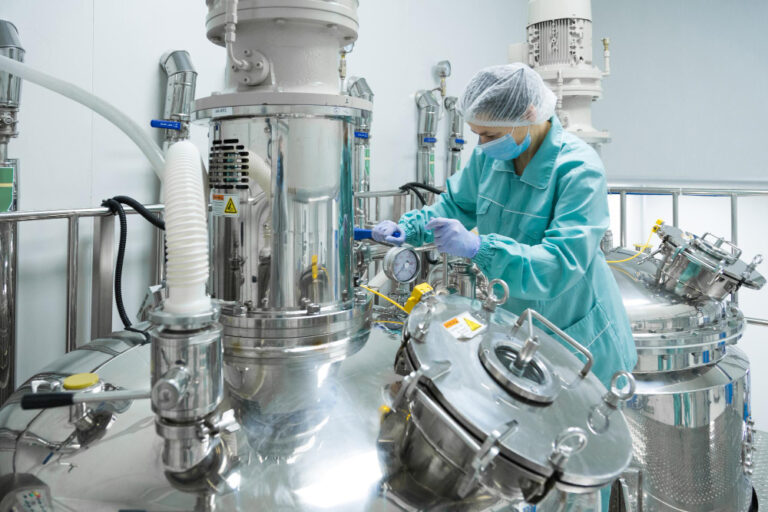
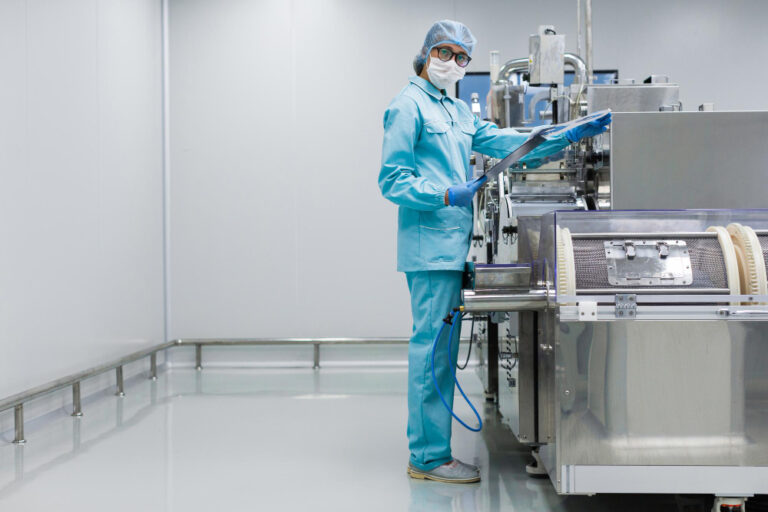
According to the Alliance for Regenerative Medicine, the global cell and gene therapy sector had over 3,600 active clinical trials in 2024, with more than 70 approved products across major markets. That pipeline is moving toward commercial-scale manufacturing faster than the workforce can support it.
Cell and gene therapy hiring challenges are, in that sense, a supply chain problem: the products exist, the facilities are being built, but the specialized talent to run them is critically scarce. This guide is written for CHROs, TA leaders, and HR heads who need a practical, strategic framework for building advanced therapy talent pipelines before demand outpaces supply.
Cell and Gene Therapy (CGT): a class of advanced biological therapies that use living cells or genetic material to treat disease, requiring highly specialized manufacturing and scientific expertise.
Why Cell and Gene Therapy Creates Unique Hiring Pressure
The cell and gene therapy sector is scaling from clinical research to commercial reality faster than the workforce can keep up. That gap between facility expansion and talent availability is now a direct business risk, not an HR inconvenience.
Three forces are driving this pressure simultaneously:
- Commercialization velocity: Therapies that were in Phase II trials three years ago are now entering commercial production. That shift requires full manufacturing teams practically overnight.
- Facility expansion: CDMOs and integrated biopharma companies are opening new CGT manufacturing sites across the US, Europe, and Asia. Each site needs hundreds of qualified personnel before it can produce a single commercial batch.
- Investment momentum: Global investment in advanced therapies exceeded $20 billion in 2024 (Alliance for Regenerative Medicine, 2025), creating simultaneous hiring demand across dozens of companies competing for the same small talent pool.
The World Economic Forum’s Future of Jobs Report 2025 identifies life sciences and advanced biotechnology among the fastest-growing employment sectors globally, with skills shortages projected to intensify through 2030. As a result, talent availability has become a competitive advantage, not just an operational metric.
Organizations that build their CGT workforce ahead of commercialization milestones are shortening their path to market. Those that wait are delaying product launches.
Also Read: Pharma and Life Sciences Companies Scale Up Hiring as Production Increases
Why Doesn’t Traditional Pharma Hiring Work for Cell and Gene Therapy?
Traditional pharmaceutical recruitment is built for stable, established talent pools. CGT recruiting requires sourcing multidisciplinary professionals from a pool that barely existed a decade ago. The methods simply don’t transfer.
In conventional pharma, you can source a QA manager from dozens of large-molecule or small-molecule manufacturers with similar process backgrounds. In CGT, that same QA manager needs direct experience with viral vectors, cell banking, cryopreservation protocols, and advanced closed-system bioreactor platforms. That combination is rare, and it cannot be sourced through standard job boards or reactive role-based recruiting.
Traditional Pharma Hiring vs. Cell and Gene Therapy Hiring
| Dimension | Traditional Pharma Hiring | Cell and Gene Therapy Hiring |
|---|---|---|
| Talent pool | Established and relatively deep | Highly specialized and severely limited |
| Recruitment approach | Role-based sourcing | Skills and capability-based sourcing |
| Demand pattern | Predictable, steady-state | Rapid scaling tied to commercialization |
| Manufacturing expertise | Conventional GMP backgrounds | Cross-disciplinary scientific and manufacturing expertise |
| Hiring tools | Standard ATS and job boards | Talent intelligence, AI sourcing, executive search |
| Time to fill | Weeks to months | Four to eight months for specialist roles |
Most CGT hiring processes fail for a predictable reason: they were designed for role replacement, not capability building. If your hiring process starts when someone resigns, you are already behind. For CGT, a proactive pipeline built 12 to 18 months ahead of need is not ambitious. It is the minimum.
Also Read: Recruitment Challenges in Biotech vs Pharma: Key Differences
Which Roles Are Hardest to Hire in Cell and Gene Therapy?
The hardest CGT roles to fill sit at the intersection of deep scientific expertise and GMP manufacturing readiness. That combination is rare, and competition for it is fierce across biotech startups, CDMOs, and global pharma organizations.
Rather than listing isolated job titles, it is more useful to think by function. Each functional area carries its own scarcity profile.
Research and Development
Cell Therapy Scientists and Gene Therapy Scientists with hands-on experience in autologous and allogeneic platforms are in high demand.
- Translational Research Scientists who can bridge lab-scale discovery and manufacturing transfer are equally scarce.
- Process Development Scientists working on viral vector production, purification, and upstream bioprocess optimization are among the rarest profiles in the sector.
Manufacturing and Operations
GMP Manufacturing Specialists with direct CGT or advanced biologics experience represent the single sharpest talent gap at the manufacturing layer.
- Manufacturing Engineers familiar with closed-system bioprocessing, fill-finish, and contamination control are consistently difficult to hire.
- Production Supervisors who can manage multi-step cell therapy workflows in a regulated environment require years of highly specific experience that most candidates simply have not accumulated.
GMP Manufacturing: Good Manufacturing Practice, a regulatory framework governing pharmaceutical production that requires rigorous process control, documentation, and quality assurance.
Quality, Regulatory, and Supply Chain
QA Managers and QC Scientists experienced with CGT-specific release testing, Validation Engineers for novel equipment and processes, and Regulatory Affairs Specialists with CGT product dossier experience are all chronically underrepresented in the available talent market.
Cold Chain Logistics Specialists for patient-specific autologous therapies and Clinical Supply Managers who understand vein-to-vein logistics are emerging as critical hires as commercial programs scale.
Leadership
Manufacturing Directors, Plant Heads, and Technical Operations Leaders who can scale a site from clinical to commercial production are perhaps the most consequential hires. Their absence or delayed hiring has a direct effect on site readiness timelines.
BioPharm International’s 2026 industry outlook confirms that manufacturing and quality roles represent the sharpest skills gaps in advanced therapy organizations, with many companies reporting open requisitions unfilled for six months or longer (BioPharm International, 2026).
What Are the Biggest Hiring Challenges CHROs Must Solve?
Cell and gene therapy hiring challenges are strategic, not operational. They affect product timelines, regulatory submissions, and commercialization outcomes directly. CHROs who treat these as routine recruitment backlogs will consistently fall short of organizational needs.
Here is a practical risk matrix for CGT workforce planning:
| Talent Challenge | Business Impact | HR Strategy |
|---|---|---|
| Limited scientific talent pool | Delayed product development cycles | Executive search combined with academic partnerships |
| Manufacturing skill gaps | Slower time to commercial production | Reskilling programs and capability development |
| Leadership shortages | Scale-up fragility and operational risk | Succession planning and leadership development |
| High competition for talent | Rising hiring costs and extended timelines | Employer branding and AI-powered talent mapping |
| Retention of niche specialists | Loss of institutional knowledge at scale | Career pathways, learning investment, and equity participation |
The most underestimated challenge is timing. Most organizations begin CGT commercialization hiring when the facility is nearly ready. Manufacturing teams need six to twelve months of lead time to hire, onboard, validate, and train before a site is production-ready. Starting the hiring process at groundbreaking, not at facility completion, is the right model.
A second underestimated challenge is the niche experience trap. As noted in analysis published on LinkedIn by Bill Gadless (2025), employers frequently demand two to five years of direct CGT manufacturing experience and overlook transferable GMP skills from biologics and vaccine manufacturing. That approach narrows an already thin talent pool even further and extends hiring cycles unnecessarily.
Also Read: Manufacturing Workforce Recruitment Challenges and Solutions
How to Build Specialized Talent Pipelines Before Demand Spikes
The organizations winning the CGT talent race are building pipelines 12 to 18 months before they need to hire. They treat workforce planning as a parallel workstream to facility construction and regulatory strategy, not a consequence of it.
Workforce Forecasting Tied to Commercialization Milestones
Start by modeling your talent demand against your manufacturing and regulatory roadmap. Which roles are needed at IND filing? Which at BLA submission? Which at commercial launch? Each milestone requires a different functional mix, and the lead time for each role varies significantly.
A QA Director might require five months to hire and three more to onboard.
A GMP Manufacturing Specialist might require seven months to hire and two months to train to site standards. These timelines must be built into your commercialization planning from the start.
Skills Adjacency: The Fastest Pipeline You Are Not Using
Professionals from biologics, monoclonal antibody (mAb), and vaccine manufacturing bring directly applicable skills: aseptic processing, bioreactor operation, GMP documentation, and quality systems experience. With structured upskilling programs of four to eight weeks, many of these professionals can become productive CGT manufacturing contributors.
This is not a compromise. It is a deliberate capability-building strategy that costs significantly less than extended executive searches and produces employees who develop loyalty through investment in their growth.
University and Research Partnerships
Several leading biopharma organizations now co-design curriculum with universities and fund dedicated CGT training programs at research institutes. Graduate pipelines from biomedical engineering, cell biology, and pharmaceutical sciences programs are a long-term investment that pays off at commercial scale.
These partnerships also give organizations early visibility into high-potential early-career talent before competitors do.
Talent Communities
Build passive talent communities before you have open roles.
This means engaging qualified professionals at industry events organized by groups like Informa Connect Life Sciences, maintaining alumni networks from clinical trial partnerships, and running targeted content programs that keep your employer brand visible to niche scientific audiences.
The goal is a warm pipeline, not a cold search.
| Workforce Priority | Strategic Action |
|---|---|
| Forecast | Model talent demand against commercialization and manufacturing milestones |
| Build | Develop pipelines through academia, research institutes, and adjacent industry talent |
| Hire | Use AI-powered sourcing and executive search for niche scientific and manufacturing roles |
| Develop | Upskill biologics and vaccine manufacturing professionals into CGT-specific roles |
| Retain | Strengthen career pathways, L&D investment, and leadership succession programs |
Also Read: Strategic Workforce Planning: Seven Steps to Driving Your Best Talent Acquisition Strategy
How Does AI Change Recruiting for Advanced Therapy Organizations?
AI-powered recruitment does not solve the CGT talent shortage. It dramatically reduces the time and effort required to find the qualified candidates who do exist. In a market where your competitors are sourcing from the same small pool, that speed advantage is decisive.
Here is where AI and talent intelligence create measurable impact in CGT hiring:
- Skills-based candidate matching: AI can parse complex scientific CVs and match candidates on specific competencies such as AAV vector production, lentiviral manufacturing platform experience, or CRISPR-based genome editing, rather than keyword-matching job titles that may not reflect actual capability.
- Passive talent sourcing: Most experienced CGT professionals are not actively looking for new roles. AI tools can identify and engage passive candidates from patent filings, scientific publications, conference registrations, and professional network signals.
- Talent mapping: Before opening a requisition, AI-driven market intelligence reveals how many qualified candidates exist in your geography, what compensation drives movement, and which organizations currently hold the talent you need.
- Candidate rediscovery: Most ATS databases contain past applicants and silver-medal candidates who were qualified but not hired. AI resurfaces these profiles against current openings, cutting sourcing time significantly.
- Workforce analytics: Predictive models help CHROs forecast hiring timelines, identify skills gaps before they become operational bottlenecks, and design internal mobility programs proactively.
According to BioPharm International’s 2026 industry analysis, biopharma organizations that integrated AI-driven talent tools reduced time-to-fill for specialized manufacturing roles by an average of 30% compared to traditional sourcing approaches. That reduction translates directly into faster commercialization readiness.
One principle is worth stating clearly: AI augments recruiter expertise. It does not replace the relationship-building, technical assessment design, or candidate experience management that specialized scientific recruitment demands. The combination of AI sourcing with expert life sciences recruiters consistently outperforms either working alone.
Also Read: Manufacturing Talent for Pharma: Building the Right Workforce
When Should You Consider RPO or Executive Search?
RPO and executive search are not backup plans or emergency measures. They are strategic choices that allow biopharma organizations to scale specialized CGT hiring without building permanent internal capacity for what may be a time-bounded surge.
Recruitment Process Outsourcing (RPO) a model where an external partner manages part or all of an organization’s life science recruitment process, including sourcing, screening, assessment, and onboarding.
Consider RPO when:
- You are launching a new CGT manufacturing facility and need to hire 50 to 200 technical roles within 12 months.
- You are scaling commercial production across multiple sites simultaneously.
- Your internal TA team lacks the specialized scientific networks and sourcing tools required for niche CGT profiles.
- You need consistent hiring quality and regulatory compliance across global locations.
Consider executive search when:
- You are hiring Manufacturing Directors, Plant Heads, or Chief Scientific Officers for CGT programs.
- You need to build a leadership team for a new CDMO partnership or joint venture.
- A critical technical leader has departed and the replacement requires confidential, high-touch sourcing from a competitor landscape.
The value of a well-structured RPO engagement in life sciences is not only speed. It is market intelligence, employer brand representation, pipeline continuity, and a guarantee of hiring outcomes.
In a sector where a six-month delay in hiring a QA Director can push a product launch back by a full year, that certainty carries direct commercial value.
CHRO Readiness Checklist: Are You Ready to Scale CGT Hiring?
Use this checklist to assess your organization’s current readiness to hire and retain the specialized workforce that advanced therapy programs require. Be honest: these gaps compound quickly as commercialization timelines accelerate.
- [ ] We have mapped critical roles required for each commercialization milestone, not just current open positions.
- [ ] We are actively sourcing transferable talent from biologics, vaccine, and mAb manufacturing backgrounds.
- [ ] We have formal partnerships with at least two universities or research institutes for graduate pipeline development.
- [ ] Our employer brand is visible and compelling to scientific and manufacturing talent audiences, not just corporate function candidates.
- [ ] AI and talent intelligence tools are integrated into our sourcing and workforce planning process.
- [ ] We have succession plans in place for every key technical and operational leadership role.
- [ ] Our onboarding and reskilling programs are designed to accelerate time-to-productivity for adjacent-skill hires.
- [ ] We maintain talent communities that keep qualified candidates engaged before requisitions open.
- [ ] Our hiring timelines account for the full onboarding and training cycle, not just the date of offer acceptance.
- [ ] We have evaluated whether RPO or executive search partners can close capability gaps in our TA function.
If you checked fewer than six of these, your organization carries meaningful workforce risk ahead of commercialization. Each gap is addressable, but only if action starts before the hiring pressure arrives.
Key Takeaways
- Cell and gene therapy hiring challenges are a commercial risk. Workforce readiness determines how quickly advanced therapies reach patients and markets, not just how efficiently HR operates.
- Traditional pharmaceutical recruitment tools and processes do not transfer to CGT. Skills-based hiring, proactive pipeline building, and talent intelligence are essential, not optional.
- The hardest roles to fill cut across manufacturing, quality, supply chain, and technical leadership. All require rare combinations of scientific depth and GMP experience that standard sourcing cannot reach.
- Skills adjacency from biologics, vaccine, and mAb manufacturing is the fastest and most cost-effective pipeline available. It is consistently underused.
- Talent pipelines must be built 12 to 18 months before commercialization. Organizations that begin hiring when a facility is ready are already behind schedule.
- AI-powered recruitment reduces time-to-fill for niche roles by enabling skills-based matching, passive candidate sourcing, and predictive workforce analytics.
- RPO and executive search, used proactively, provide speed, quality, market intelligence, and guaranteed hiring outcomes at the scale CGT programs require.
FAQs
What makes cell and gene therapy hiring different from traditional pharma recruiting?
Cell and gene therapy hiring requires candidates with a rare combination of scientific expertise, GMP manufacturing readiness, and experience with advanced biological platforms that barely existed a decade ago. Unlike traditional pharma, the talent pool is extremely limited, roles are inherently multidisciplinary, and commercial scaling is outpacing supply. Standard job-board recruiting and reactive sourcing are insufficient for these roles.
Which CGT roles are the hardest to fill?
GMP Manufacturing Specialists, Process Development Scientists, QA Managers with direct CGT experience, viral vector production specialists, Cold Chain Logistics Managers for autologous therapies, and Technical Operations Directors are consistently among the most difficult roles to fill. These positions require expertise that is both highly specialized and newly established, meaning few professionals have built full careers in them.
How long does it take to hire a CGT manufacturing professional?
Hiring timelines for specialized CGT manufacturing roles typically range from four to eight months, and longer for senior leadership positions. CHROs should factor in an additional two to four months for onboarding and site-specific training before a new hire reaches full operational productivity. Planning hiring 12 to 18 months ahead of facility readiness is the practical standard.
Can biologics manufacturing talent be reskilled into CGT roles?
Yes, and it is one of the most underused strategies in biopharma workforce planning. Professionals with GMP manufacturing backgrounds in biologics, vaccines, or monoclonal antibodies bring directly applicable skills in aseptic processing, bioreactor operation, and quality systems. Structured upskilling programs of four to eight weeks can bridge the gap effectively into CGT-specific workflows and processes.
How does AI improve recruitment for advanced therapy organizations?
AI improves CGT recruitment through skills-based CV matching, passive candidate identification from scientific publications and patent filings, talent market mapping, and candidate rediscovery from existing ATS databases. These capabilities significantly reduce time-to-fill for niche roles. AI works best when combined with experienced scientific recruiters who provide the relationship management and technical assessment that sourcing tools cannot replicate.
When should a biopharma company use RPO for CGT hiring?
Life sciences recruitment agency is most valuable when an organization is launching a new CGT facility, scaling commercial production rapidly, or hiring across multiple sites simultaneously. It provides specialized recruiter capacity, scientific talent networks, and consistent hiring quality without requiring permanent TA headcount expansion. The right RPO partner also brings market intelligence and employer brand capability that internal teams rarely have at this depth.
What should CHROs prioritize first in building a CGT talent pipeline?
Start with workforce forecasting tied directly to your commercialization and manufacturing milestones. Then build talent communities and academic partnerships, and integrate AI-powered sourcing tools into your TA process. Employer brand investment in scientific talent audiences and internal reskilling programs for adjacent-skill professionals should run in parallel. The priority is having a warm, engaged pipeline in place before requisitions formally open.
Building successful cell and gene therapy programs starts with building the right scientific and manufacturing workforce. Discover how Taggd helps life sciences organizations hire specialized talent through AI-powered recruitment, executive search, and scalable RPO solutions.
Explore Life Sciences Hiring Solutions
Ready to close your organization’s advanced therapy workforce gaps before they affect your commercialization timeline? Connect with Taggd’s life sciences hiring specialists today.